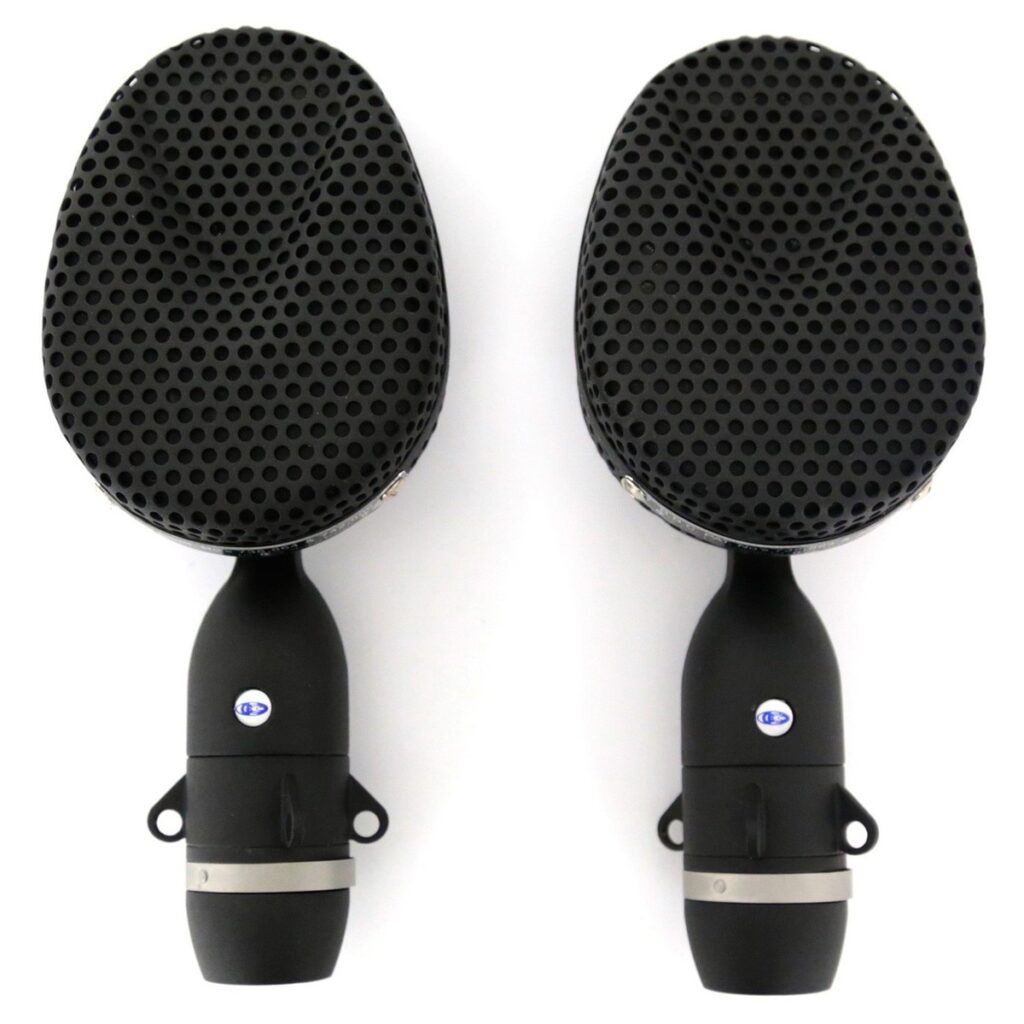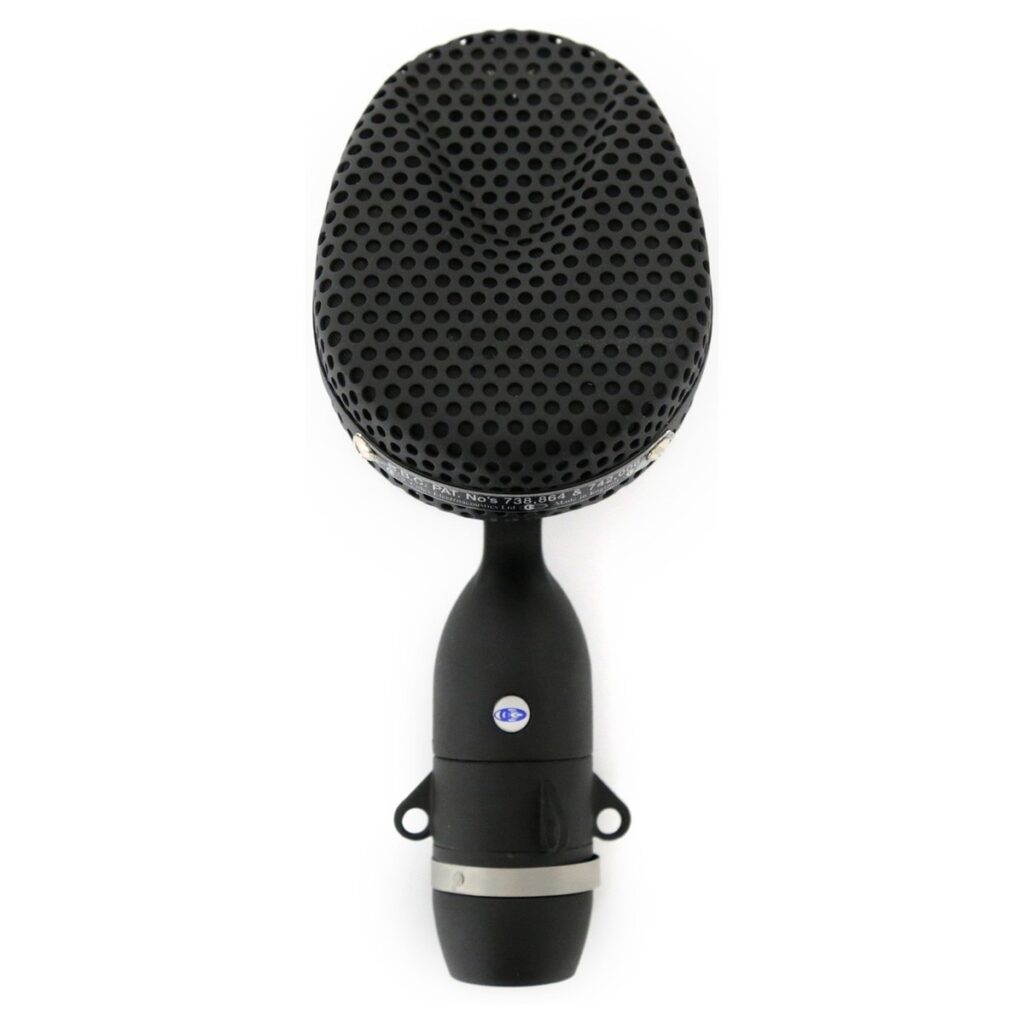

Description
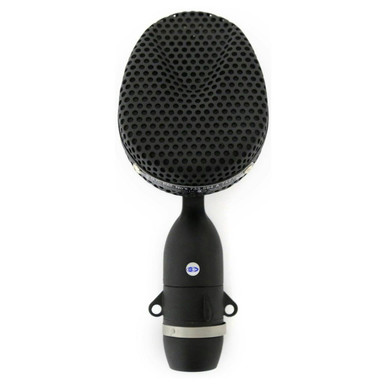
The 4038 is a design that has remained largely unchanged since its first appearance in 1953. Its flat frequency response and reliability cemented its reputation as a cornerstone of the ribbon microphone category.
It was designed in 1953 in conjunction with the BBC, who desired a strong, affordable and compact microphone rather than the cumbersome hardware that they were used to. The 4038 boasts a bi-directional (figure of 8) polar pattern, with an incredibly flat frequency response (30-15000Hz).
This mic is still used today by broadcasting companies due to its resilience and exceptional clarity. Still favoured by the BBC, you’ll be amazed at this mic’s capacity for voice and audio that requires a zero-tolerance approach to turbulence and distortion!
Here’s what Coles Electroacoustics have to say about the 4038
The 4038 Studio Ribbon Microphone is of British Broadcasting design (BBC) and used for broadcasting and recording such sounds where a clear smooth wide range frequency response, absent of transient distortion and relatively high sensitivity is essential.
The 4038 has a proven reliable performance capability, being since its introduction, used by broadcasting networks throughout the world such as the BBC.
The frequency response of the 4038 is exceptionally flat from 30 to 15,000 c/s and throughout this range the shape of the bi-directional (figure of eight) polar response is maintained substantially constant both in the horizontal and vertical planes, giving a natural smooth sonic quality textured response to sound signal being picked up.
Studio microphones have now achieved a remarkable fidelity of reproduction. If the microphone is not close to perfection, there is no point in having expensive systems to take the sound the rest of the way to the audience’s ears. In the world of sound, the BBC has always been the leader, and is still regarded as the ‘setter of standards’.
Specifications
- Figure of 8 characteristic
- Frequency range: 30 Hz – 15 kHz
- Sensitivity: -65 dB (W.R.T. IV / Pa)
- Max. SPL: 125 dB
- Output impedance: 300 Ohm
- Dimensions: 197 x 83 x 61 mm
- Weight: 1.08 kg
- Optional stand mounts (4071B or 4072) are not included!