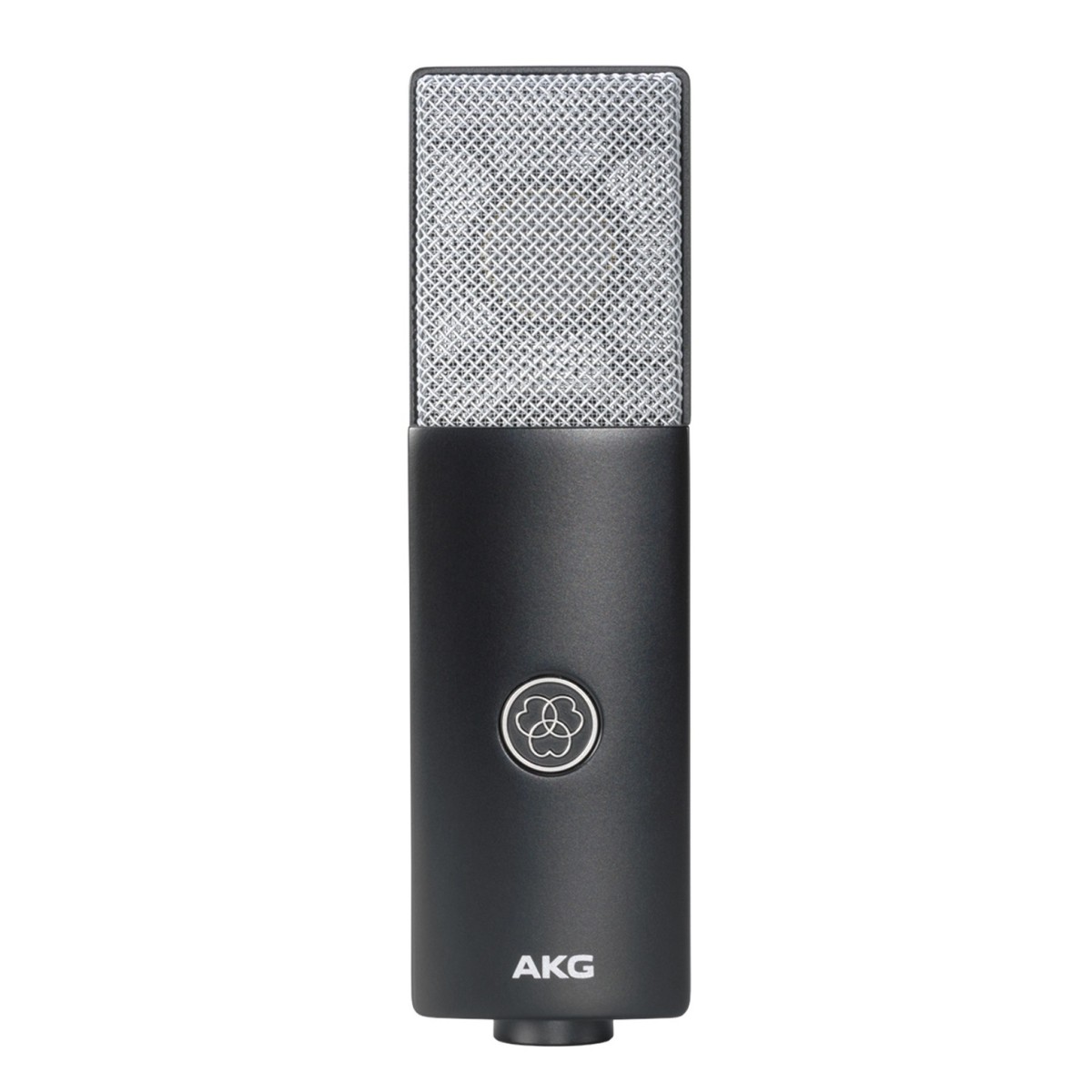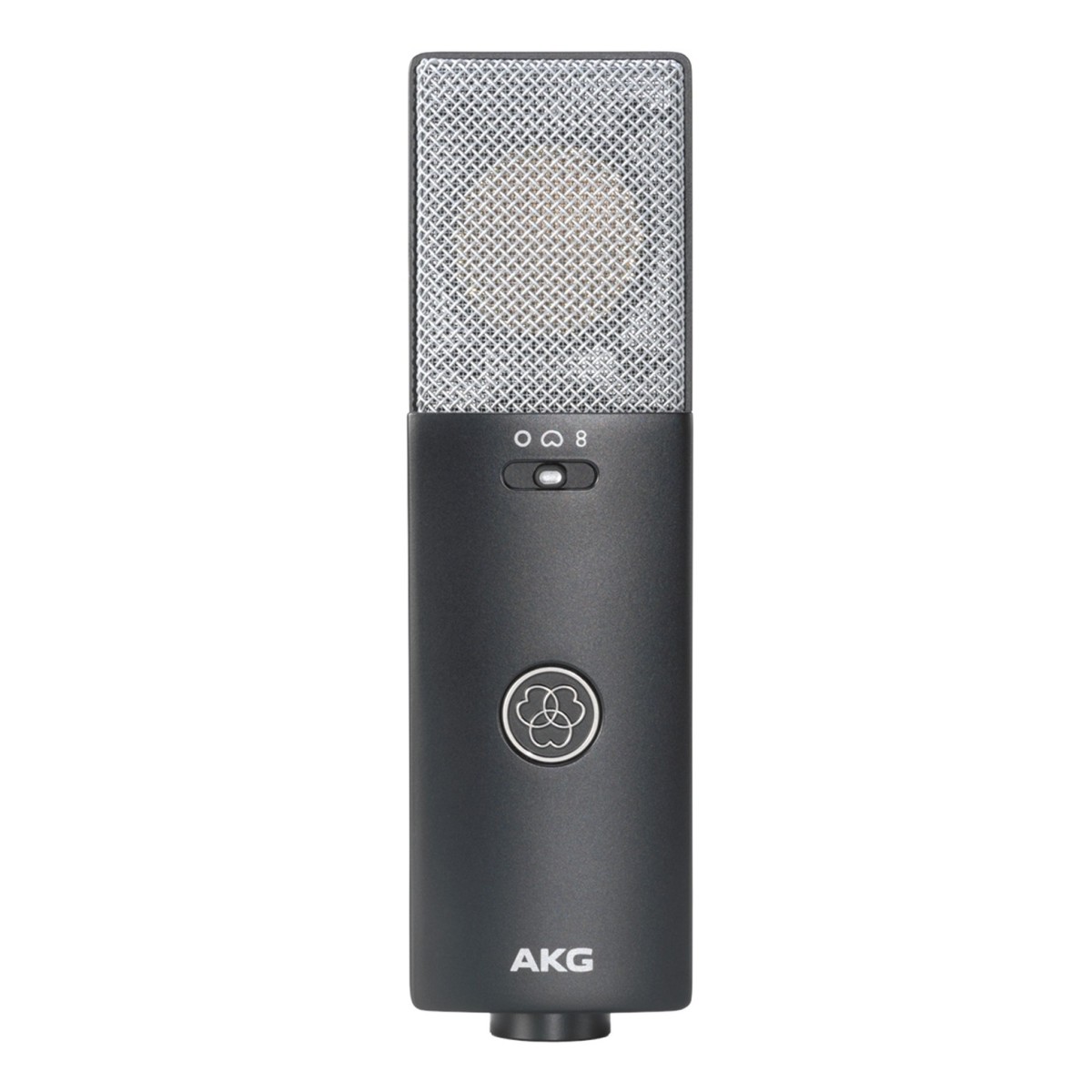
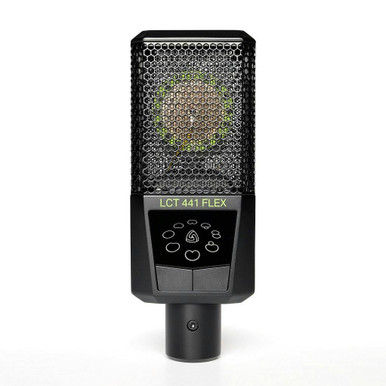
Lewitt LCT 441 FLEX 1″ Multi-Pattern Condenser Microphone

£278.00

This is the Lewitt LCT 441 FLEX 1″ Multi-Pattern Condenser Microphone from Lewitt, listed in Condenser Microphones on MicPro. Read More below.

Category:
Tags: , , ,
Brands:

As an affiliate partner, we may earn a small commission when you buy through our links — at no extra cost to you.

Description

The LCT 441 FLEX is a multi-pattern studio microphone designed for the sound purist. This 1" true condenser microphone features eight types of directionality to choose from; including three reverse polar patterns that open up your sessions for experimentation. The LCT 441 Flex comes equipped with a shock mount, windscreen, and pop filter.

8 Switchable Polar Patterns

  • Omni
  • Cardioid
  • Wide Cardioid
  • Supercardioid
  • Figure-8
  • Reverse Cardioid
  • Reverse Wide Cardioid
  • Reverse Super Cardoid

Having a wide range of polar patterns gives you a huge amount of flexibility in recording a session. changing the pattern not only affects how much room sound you get in your recording, it also alters the frequency response so that you can get a range of different sounds from a single microphone.

As a result, the mic is a fantastic all rounder, able to get great recordings of Vocals, acoustic instruments, guitar amplifiers, drums, percussion and many more. It's the perfect mic for experimentation; you can get a great traditional sound, but why not try something new to make your recordings stand out.


Related videos

Brand

Lewitt

LEWITT is a modern microphone manufacturer known for clean, precise sound and contemporary design. The brand focuses on combining high technical performance with practical features, making their microphones popular with home studios as well as professional recording environments.

LEWITT microphones are widely used for vocals, acoustic instruments, and content creation, offering low noise and detailed capture. MicPro suggests LEWITT for users looking for modern studio microphones with a neutral, accurate sound and thoughtful design.

Category

Condenser Microphones

Condenser microphones are widely used in studio recording because of their sensitivity, clarity, and ability to capture fine detail. They are commonly chosen for vocals, acoustic instruments, piano, strings, and room recording, where accuracy and nuance matter. Condenser microphones usually require phantom power and are available in large and small diaphragm designs, making them suitable for everything from intimate vocal takes to detailed overhead and ambient recordings.

Tags

Cardioid

Cardioid is a directional microphone pickup pattern that captures sound primarily from the front while reducing sound from the sides and rear. It is widely used for vocals, podcasting, and live sound, helping to control background noise and reduce feedback in both studio and performance environments.

Condenser

Condenser microphones are highly sensitive microphones designed to capture detail, clarity, and nuance. They are widely used in studio recording for vocals, acoustic instruments, piano, and ambient sound. Condenser microphones typically require phantom power and are available in large and small diaphragm designs, making them versatile tools for accurate sound capture.

Omnidirectional

Omnidirectional microphones capture sound equally from all directions, providing a natural and open recording that reflects the full acoustic environment. They are often used in studio, live and location settings where an accurate sense of space and room ambience is desired.

Because they do not favour a single direction, omnidirectional mics are less affected by proximity effect and handle movement around the microphone more smoothly. This makes them ideal for group vocals, round-table discussions, ambient recording and situations where consistent sound pickup is more important than isolating a single source.

Supercardioid

Supercardioid microphones use a tight directional pickup pattern that focuses strongly on sound from the front while rejecting much of the sound from the sides. They offer greater isolation than standard cardioid microphones, making them well suited to noisy environments.

Commonly used in live sound, broadcast and studio applications, supercardioid mics help reduce bleed from other instruments or speakers. Like hypercardioid microphones, they have a small rear pickup area, so careful placement is important to achieve the best clarity and control.