Description
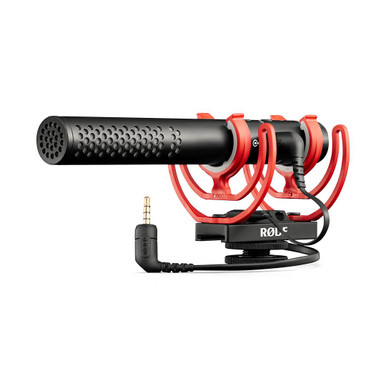
The Rode VXLR is designed for Rode VideoMic and VideoMic Pro microphones. Suitable for a range of applications the VXLR adapter allows you to convert a mono 3.5mm mini-jack to a mono 3-pin XLR.
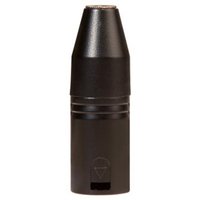
This is the Rode VXLR Mono 3.5mm Mini Jack to Mono XLR Converter from Rode, available now in Microphones category on MicPro. For more details, images and how to order in the UK Read More below.
The Rode VXLR is designed for Rode VideoMic and VideoMic Pro microphones. Suitable for a range of applications the VXLR adapter allows you to convert a mono 3.5mm mini-jack to a mono 3-pin XLR.
RØDE is an Australian microphone manufacturer known for producing reliable, accessible microphones used in recording, broadcast, and content creation. The brand has become especially popular with podcasters, streamers, and home studios due to its focus on ease of use and consistent sound quality.
RØDE microphones are commonly used for vocals, voiceover, and video production, offering practical designs and good performance across a wide range of budgets. MicPro suggests RØDE microphones for users looking for straightforward, dependable recording solutions for modern setups.
Microphones convert acoustic sound into an electrical signal for recording, live sound, broadcast, streaming or measurement. This broad category includes dynamic, condenser, ribbon, USB, wireless, boundary, shotgun and instrument-focused designs, each balancing sensitivity, detail, rejection and handling. Compare the source, room, pickup pattern, maximum level, connector, phantom or battery requirements and mounting options before choosing. The most useful microphone is the one that fits the voice or instrument, working distance and signal chain; a prestigious brand or familiar category label cannot replace those practical checks.
Microphone identifies a product whose primary role is acoustic capture. Compare capsule type, pickup pattern, output, power, mounting and the source or room it will serve.
XLR identifies a product using the common balanced connector for microphones and audio equipment. Check pin format, cable direction, phantom power and the receiving input.