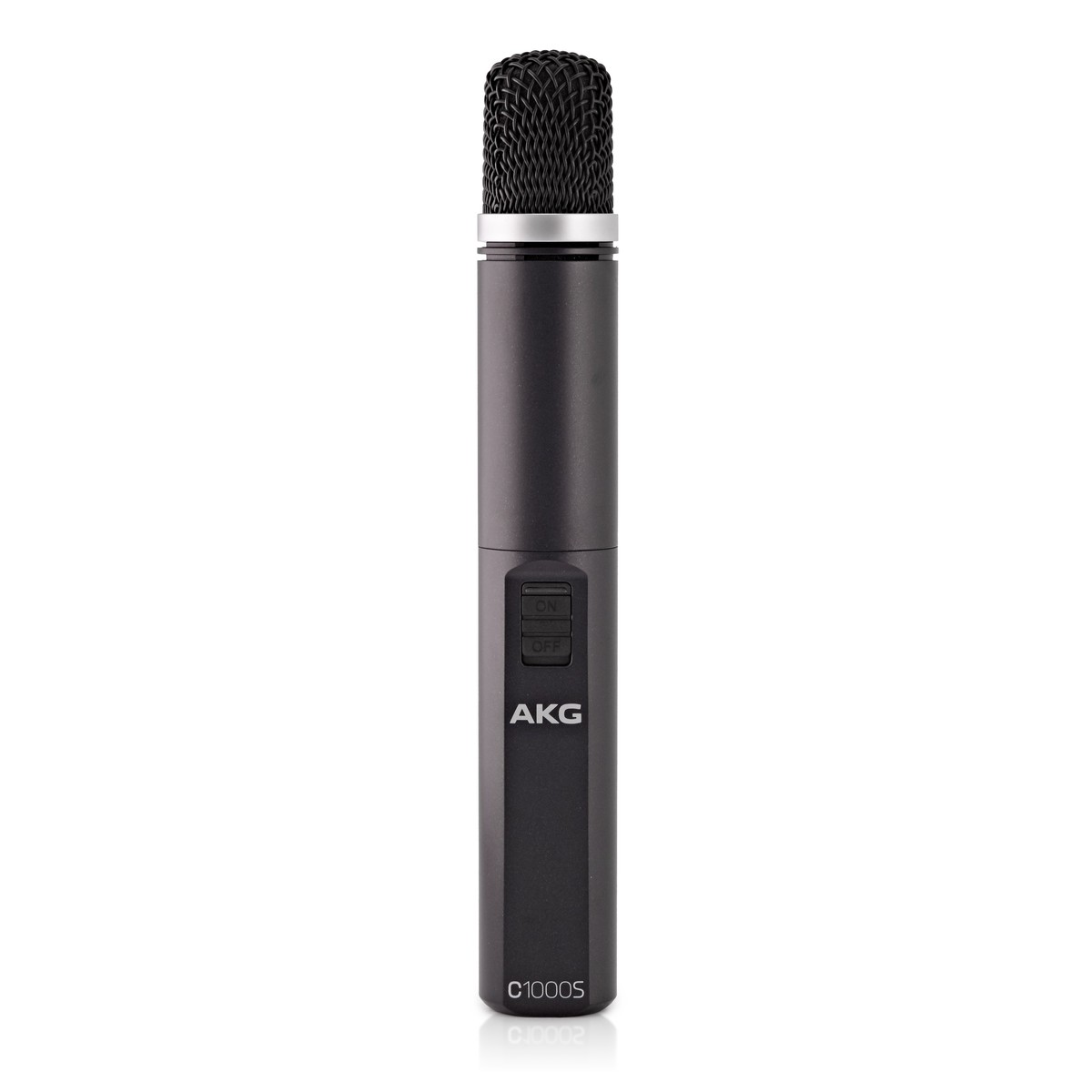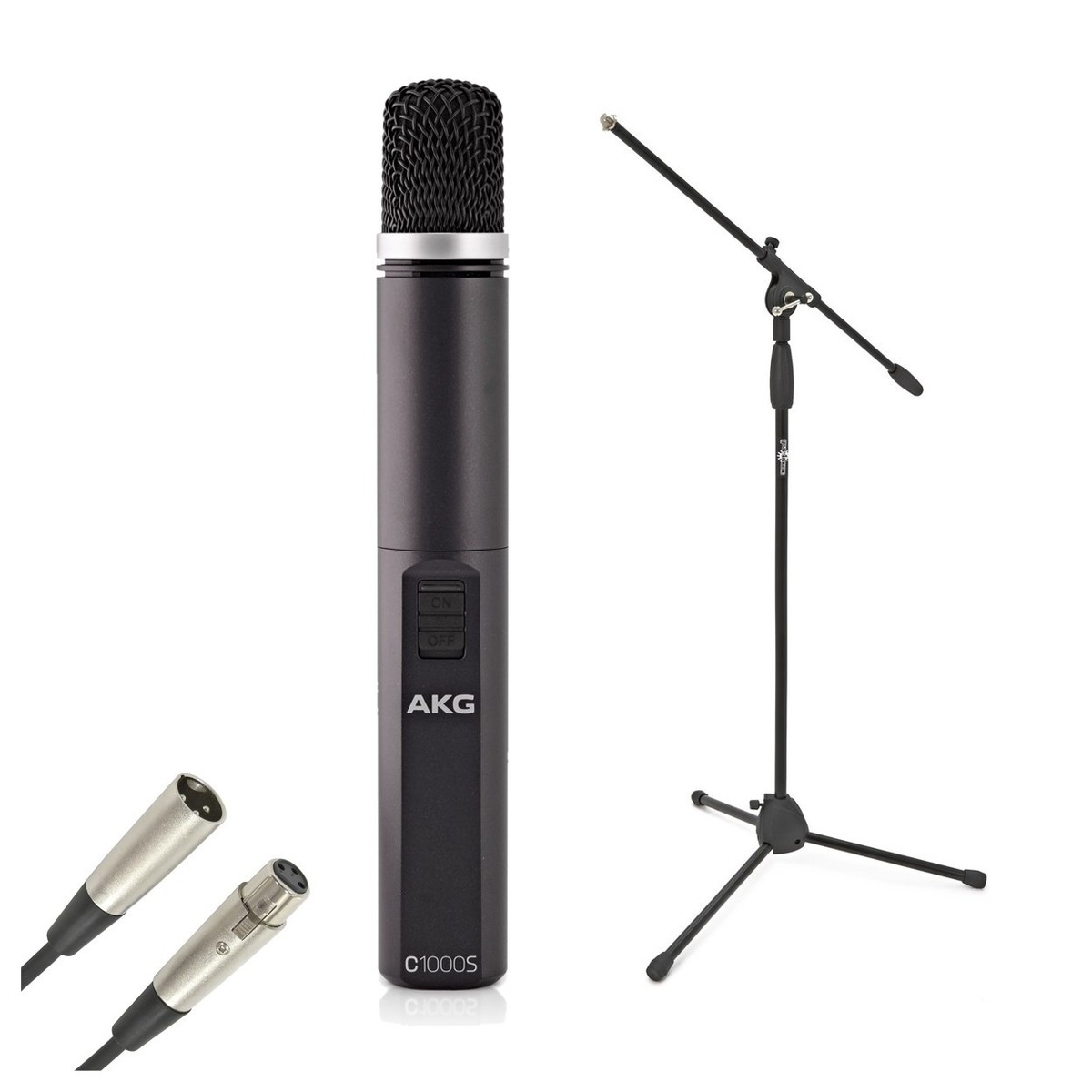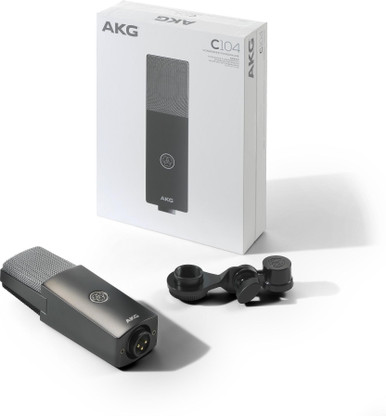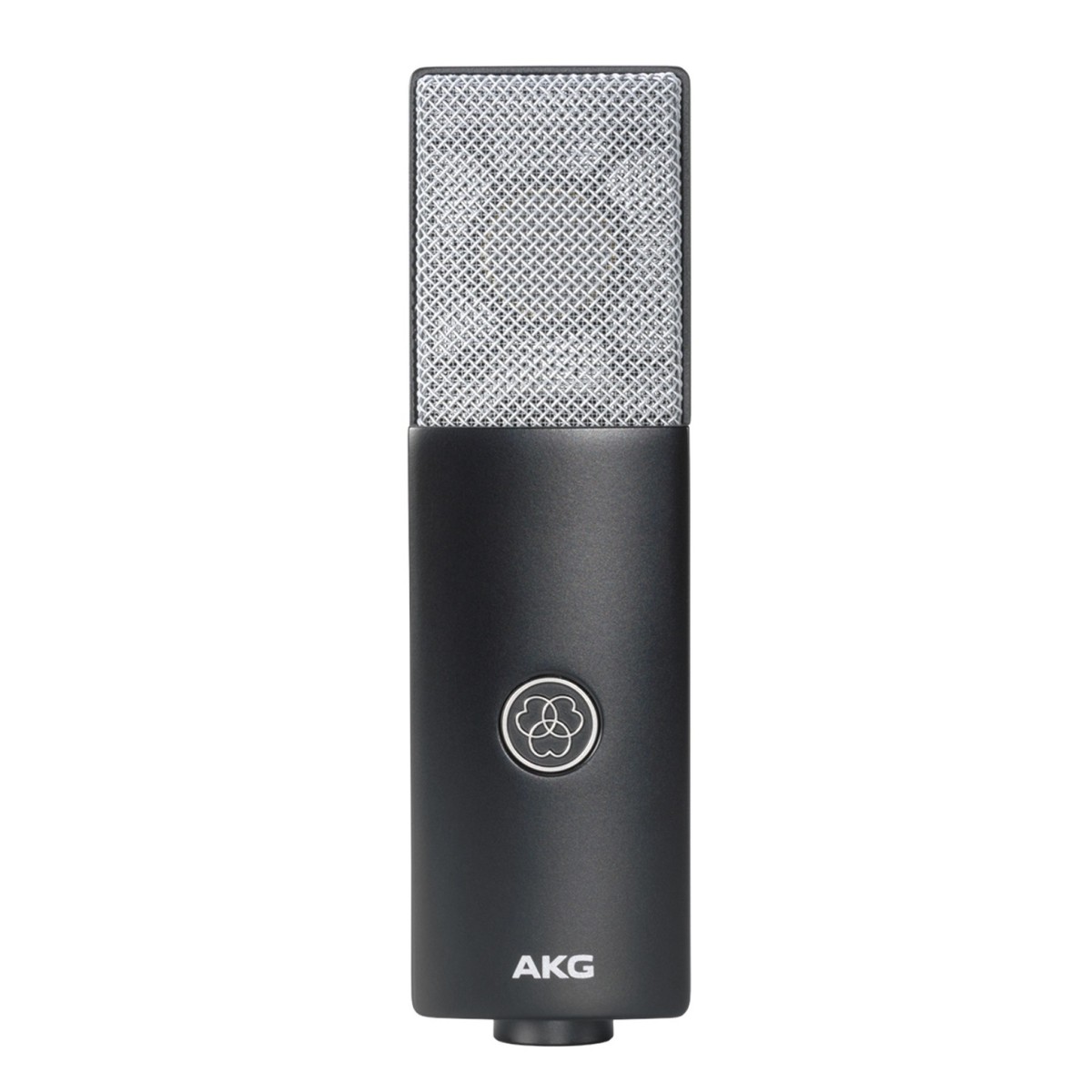
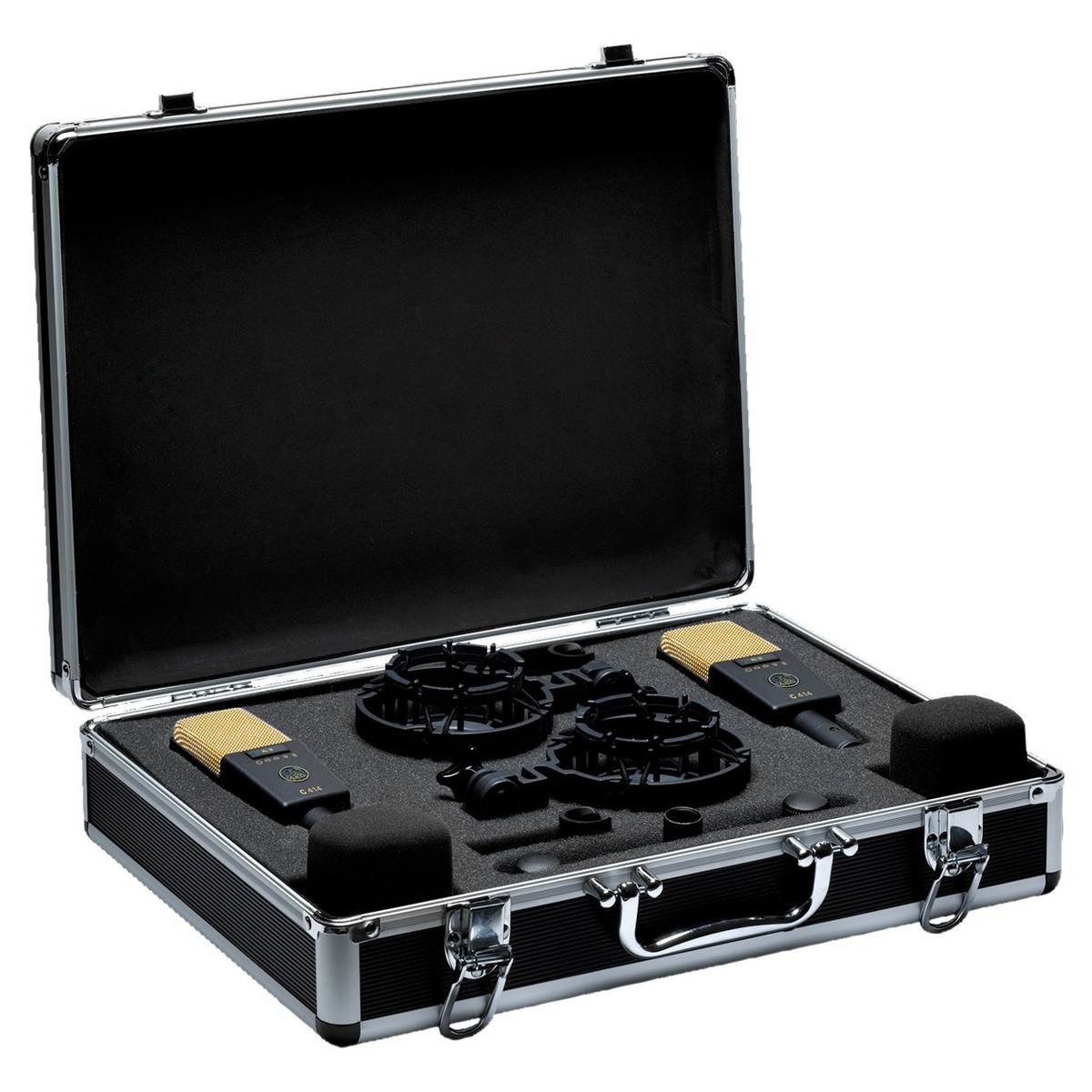
AKG C414 XLII/ST Condenser Microphone Stereo Pair

£1,840.00

This is the AKG C414 XLII/ST Condenser Microphone Stereo Pair from AKG, listed in Condenser Microphones on MicPro. Read More below.

Category:
Tags: , , ,
Brands:

As an affiliate partner, we may earn a small commission when you buy through our links — at no extra cost to you.

Description

Pristine sound. Now in stereo. The AKG C414 XLII/ST Condenser Microphone Stereo Pair is the solution to all your miking needs. A studio staple since 1971 the C414 is engineered for unparalleled audio quality. And its not hard to hear why. Five polar patterns. All in one microphone. Select from omnidirectional cardioid hypercardioid and more. This provides you with the capabilities of an entire studio at the push of a button. With three attenuation levels youre fit to record sound sources both quiet and loud. While three bass-cut filters combat unwanted noise and excessive proximity effect. Modelled on the legendary 1953 C12 the C414 XLII features incredible presence boost and spatial reproduction. With all premium components and an exceptionally wide frequency range youre guaranteed supreme fidelity with every use. A versatile and powerful tool in any recordists arsenal.

Related videos

Brand

AKG

AKG is a long-established manufacturer known for reliable microphones used in studio, broadcast, and live sound. Their designs focus on clarity and consistency, making them trusted tools for both professional engineers and serious home recordists.

AKG are especially well known for condenser microphones, widely used on vocals, acoustic instruments, and overheads, with many models considered studio standards.

MicPro suggests AKG microphones if you value clear, detailed sound, low self-noise, and proven, dependable designs. Strong tags to look out for include condenser, studio standard, cardioid, low noise, and professional grade.

Category

Condenser Microphones

Condenser microphones are widely used in studio recording because of their sensitivity, clarity, and ability to capture fine detail. They are commonly chosen for vocals, acoustic instruments, piano, strings, and room recording, where accuracy and nuance matter. Condenser microphones usually require phantom power and are available in large and small diaphragm designs, making them suitable for everything from intimate vocal takes to detailed overhead and ambient recordings.

Tags

Cardioid

Cardioid is a directional microphone pickup pattern that captures sound primarily from the front while reducing sound from the sides and rear. It is widely used for vocals, podcasting, and live sound, helping to control background noise and reduce feedback in both studio and performance environments.

Condenser

Condenser microphones are highly sensitive microphones designed to capture detail, clarity, and nuance. They are widely used in studio recording for vocals, acoustic instruments, piano, and ambient sound. Condenser microphones typically require phantom power and are available in large and small diaphragm designs, making them versatile tools for accurate sound capture.

Hypercardioid

Hypercardioid microphones use a very tight pickup pattern that focuses strongly on sound from the front while rejecting most noise from the sides. Compared to cardioid microphones, they provide greater isolation, making them useful in situations where background noise or nearby sound sources need to be controlled.

Because of their focused sensitivity, hypercardioid mics are often used for live sound, stage vocals, drum miking and dialogue recording. They do have a small pickup area at the rear, so careful positioning is important, but when used correctly they deliver excellent clarity and separation in demanding environments.

Omnidirectional

Omnidirectional microphones capture sound equally from all directions, providing a natural and open recording that reflects the full acoustic environment. They are often used in studio, live and location settings where an accurate sense of space and room ambience is desired.

Because they do not favour a single direction, omnidirectional mics are less affected by proximity effect and handle movement around the microphone more smoothly. This makes them ideal for group vocals, round-table discussions, ambient recording and situations where consistent sound pickup is more important than isolating a single source.