Podcast microphones are often sold on the promise of a broadcast voice. In practice, position and room noise matter more than a giant microphone hanging in the camera shot. The microphone should be close enough to make the voice strong, comfortable enough for a long conversation and connected in a way that suits the number of people being recorded.
These five choices cover a first podcast, a creator who wants USB and XLR, a noisy computer desk, a smarter all-in-one microphone and a premium broadcast setup.
1. Samson Q9U: the practical first podcast microphone
The Samson Q9U is a dynamic microphone with USB and XLR outputs. A beginner can plug it into a computer by USB, then keep using it through XLR after buying an interface or mixer. Its dynamic design suits close speech and helps keep the voice forward in a normal home room.
It is not glamorous, which is part of its appeal. It solves the connection problem, usually comes with the basics needed to start, and leaves room in the budget for headphones and a better stand.
Best for: a first solo podcast, online teaching or somebody who wants an inexpensive route from USB to XLR.
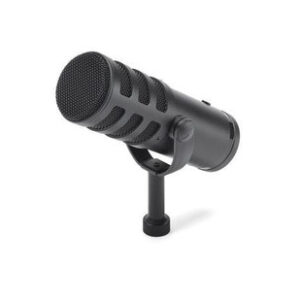
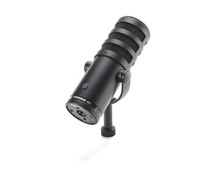

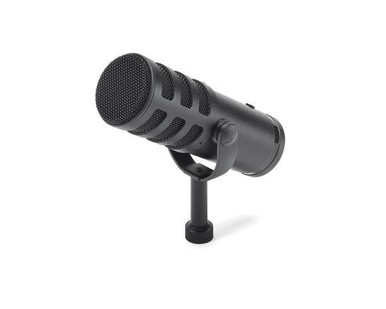
Samson Q9U XLR & USB Dynamic Broadcast Microphone
This is the Samson Q9U XLR & USB Dynamic Broadcast Microphone from Samson, available now in USB Microphones category on MicPro. Read More below.
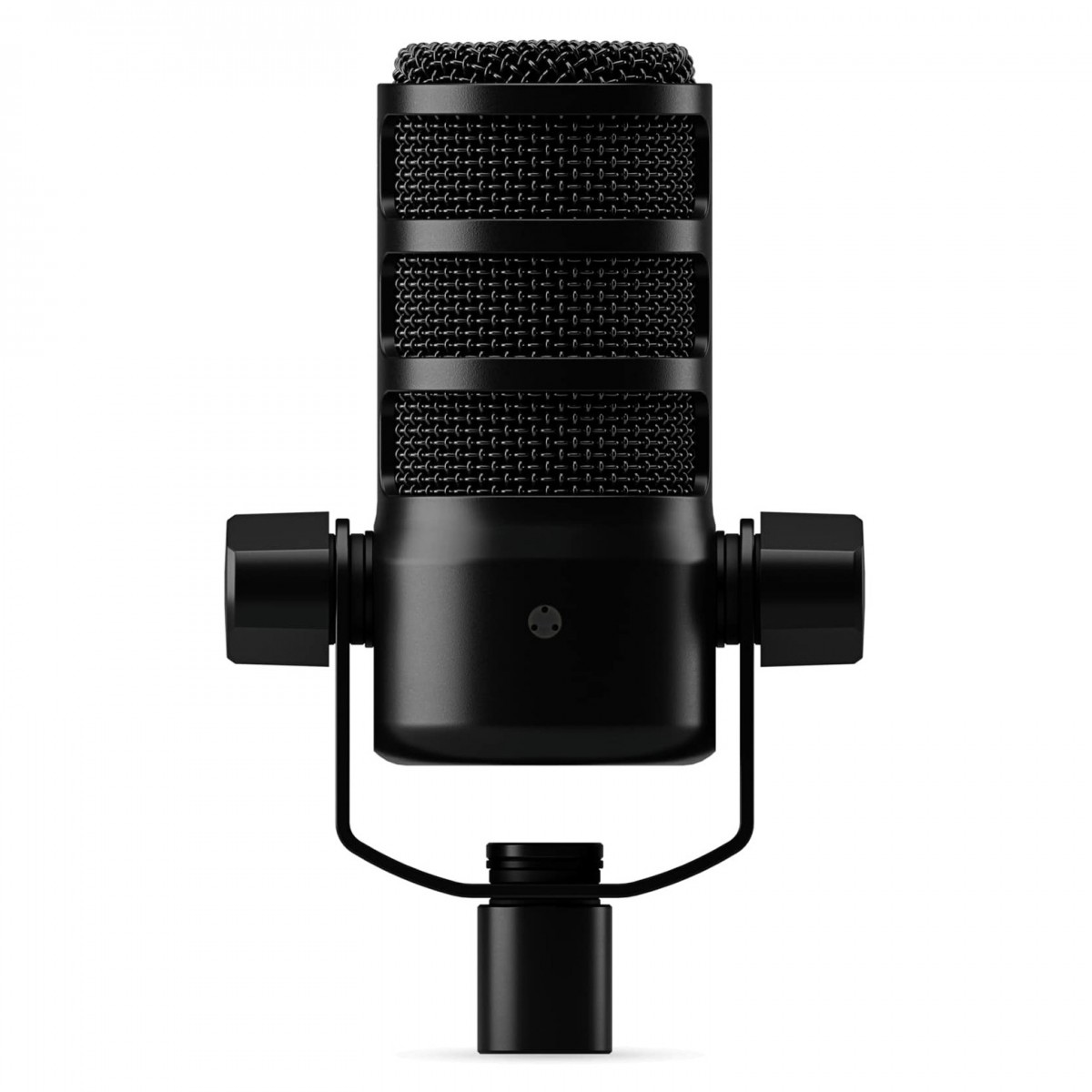
2. RØDE PodMic USB: a solid desk microphone with two routes
The PodMic USB combines the close, focused behaviour expected from a broadcast-style dynamic microphone with direct USB recording and a conventional XLR output. It suits a desk arm and is intended to be spoken into at close range.
The dual connection is useful for creators who work alone by USB but sometimes join a larger XLR production. Its weight means a flimsy desk arm is false economy, so allow for a stable mount.
Best for: podcasting, streaming and a permanent creator desk where build quality and future flexibility matter.
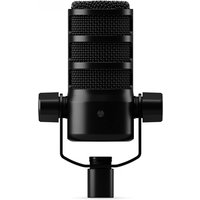
Rode Podmic USB Microphone
This is the Rode Podmic USB Microphone from Rode, available now in USB Microphones category on MicPro. For more details, images and how to order in the UK Read More below.
3. Audio-Technica AT2040USB: useful beside keyboards and computer fans
The AT2040USB is a hypercardioid dynamic USB microphone made for spoken-word and creator use. Its focused pattern and close working style are helpful when the desk also contains a keyboard, mouse and computer that you would rather not broadcast.
A tight pickup pattern is not a substitute for placement. Keep the microphone close, point the rear and side rejection towards unwanted noise, and avoid drifting away during the programme. Direct headphone monitoring is important for hearing these changes as they happen.
Best for: solo streaming and podcasting in a busy or untreated room where direct USB connection is preferred.
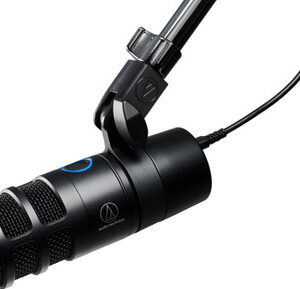
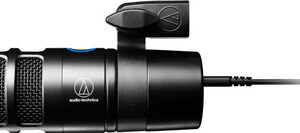

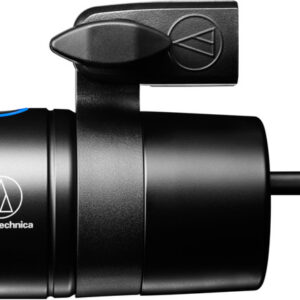
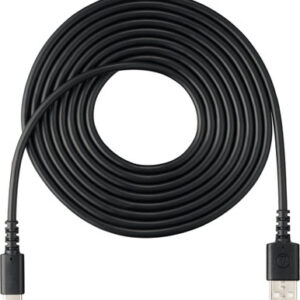
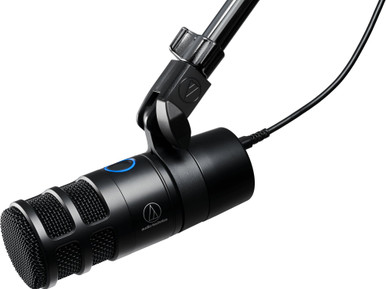
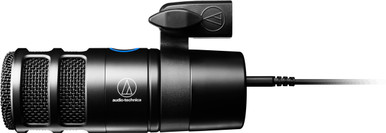
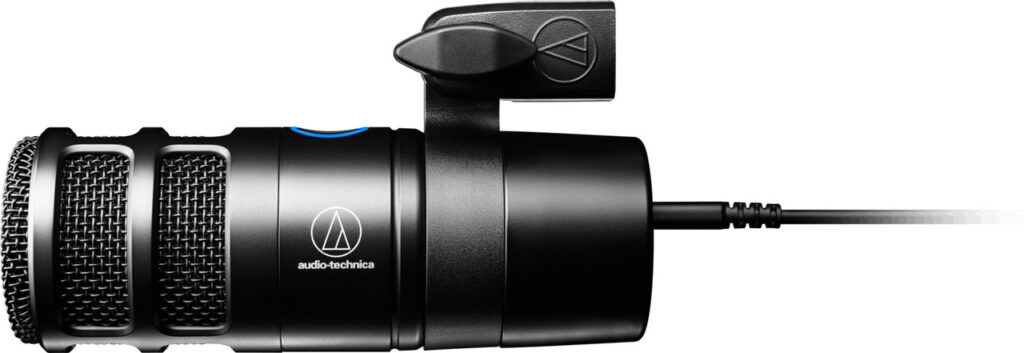
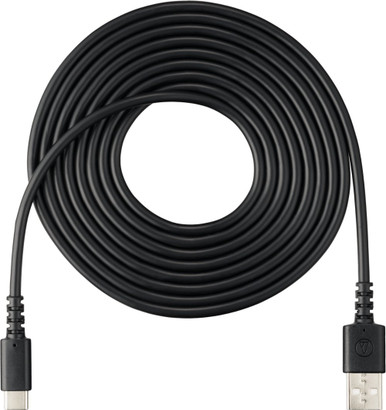
Audio Technica AT2040 USB Microphone
This is the Audio Technica AT2040 USB Microphone from Audio-Technica, available now in USB Microphones category on MicPro. For more details, images and how to order in the UK Read More below.
4. Shure MV7+: the guided all-rounder
The MV7+ provides USB and XLR connections with app-controlled processing and automatic features intended to make consistent speech easier. It is a good middle ground between a simple USB microphone and a traditional broadcast chain.
The USB features are most valuable to a solo creator who does not want to build processing from separate plug-ins. XLR keeps the microphone useful in a mixer or multi-person setup. As with every close dynamic microphone, speaking across the top from a great distance wastes its main advantage.
Best for: creators who want help maintaining a polished level and sound, but do not want to be locked into USB forever.
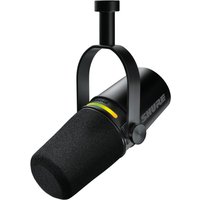
Shure MV7+ USB/XLR Podcast Microphone Black
This is the Shure MV7+ USB/XLR Podcast Microphone Black from Shure, available now in USB Microphones category on MicPro. For more details, images and how to order in the UK Read More below.
5. Shure SM7dB: the premium XLR broadcast route
The SM7dB builds a selectable active preamp into the familiar SM7 broadcast-style microphone. This addresses a practical issue with low-output broadcast dynamics: many interfaces need a great deal of clean gain. The built-in boost can simplify the signal chain when phantom power is available.
It remains an XLR studio microphone rather than a complete USB system. You still need an interface, stand or arm, cable and headphones. It is best bought because the recording chain and voice suit it, not because it appears in successful podcasts.
Best for: a serious fixed studio, voiceover work and creators who want the SM7 approach with easier gain management.
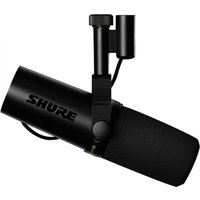
Shure SM7dB Active Dynamic Microphone
This is the Shure SM7dB Active Dynamic Microphone from Shure, available now in Dynamic Microphones category on MicPro. For more details, images and how to order in the UK Read More below.
One person is easy; two people changes the system
For one person, a USB microphone is often the cleanest answer. For two or more people, separate XLR microphones connected to an interface or recorder are normally easier to control and edit. Each voice gets its own track, gain setting and microphone position.
Avoid placing one cardioid microphone in the middle of a table unless simplicity matters more than sound. Everyone ends up too far away, and the recording contains more room than voice.
Podcast setup checklist
Put the microphone on an arm or stand so it stays 5–15 centimetres from the mouth.
Use closed-back headphones and monitor while recording.
Aim the microphone correctly; many broadcast microphones are end-address, while studio condensers are often side-address.
Turn off automatic computer noise reduction if it makes the voice pump or sound underwater.
Record a minute of room tone before the programme.
For guests, check headphone level and microphone distance before beginning the real conversation.
The best podcast microphone is the one that fits the room and keeps working when the conversation becomes interesting. A close, stable microphone and a separate track for each speaker matter more than making the studio look like somebody else’s studio.