Brand
Category
Microphones are essential tools for capturing sound in recording, broadcast, and live performance. Different microphone types are designed for different sources, environments, and uses, from studio vocals and instruments to live sound and field recording. Choosing the right microphone depends on factors such as sound source, room acoustics, sensitivity, and the character you want to capture.
Tags
Cardioid is a directional microphone pickup pattern that captures sound primarily from the front while reducing sound from the sides and rear. It is widely used for vocals, podcasting, and live sound, helping to control background noise and reduce feedback in both studio and performance environments.
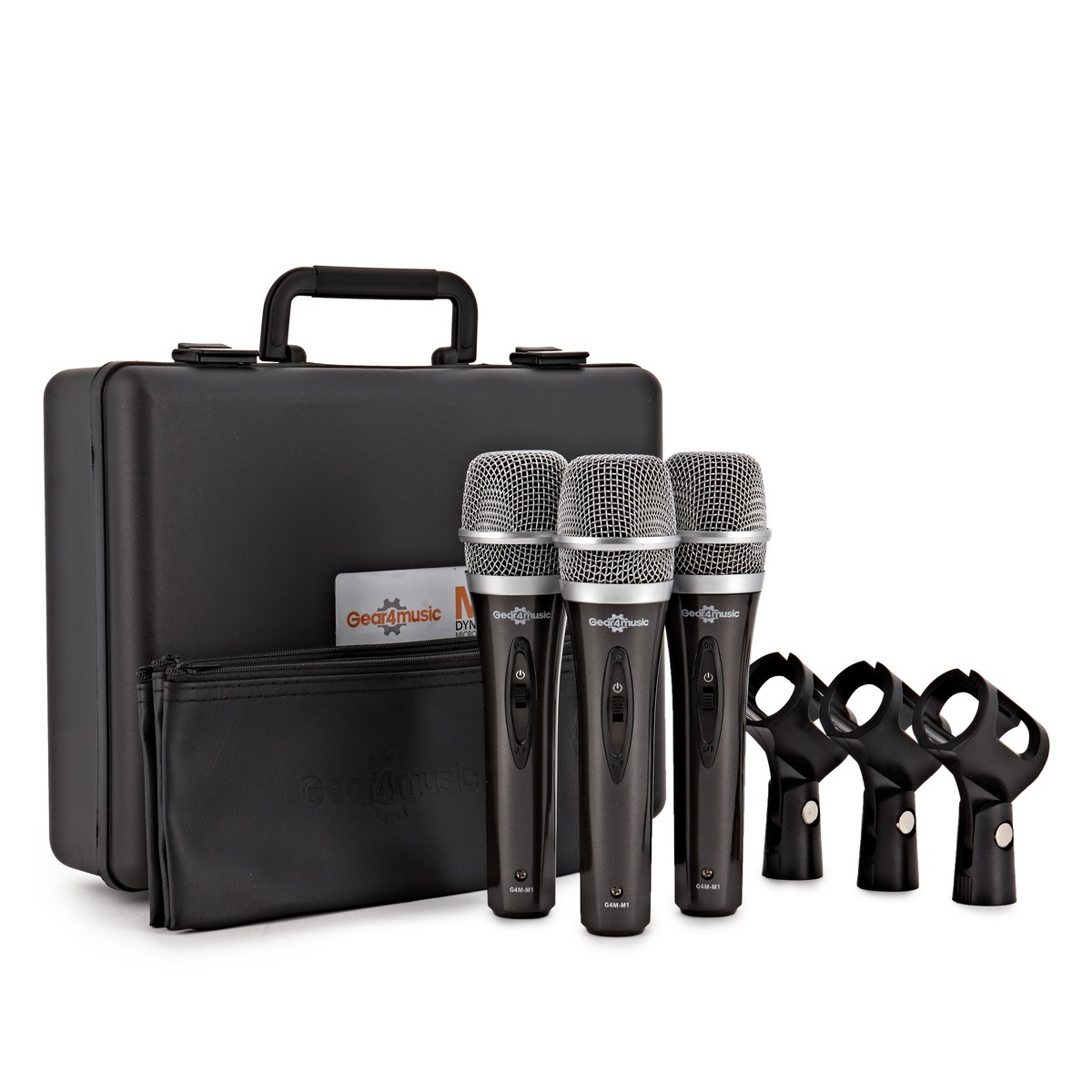
Dynamic microphones are robust, reliable microphones designed to handle high sound pressure levels and demanding environments. They are commonly used for live vocals, guitar amplifiers, drums, and broadcast, where durability and controlled sound are important. Dynamic microphones do not require phantom power and perform well in loud settings.
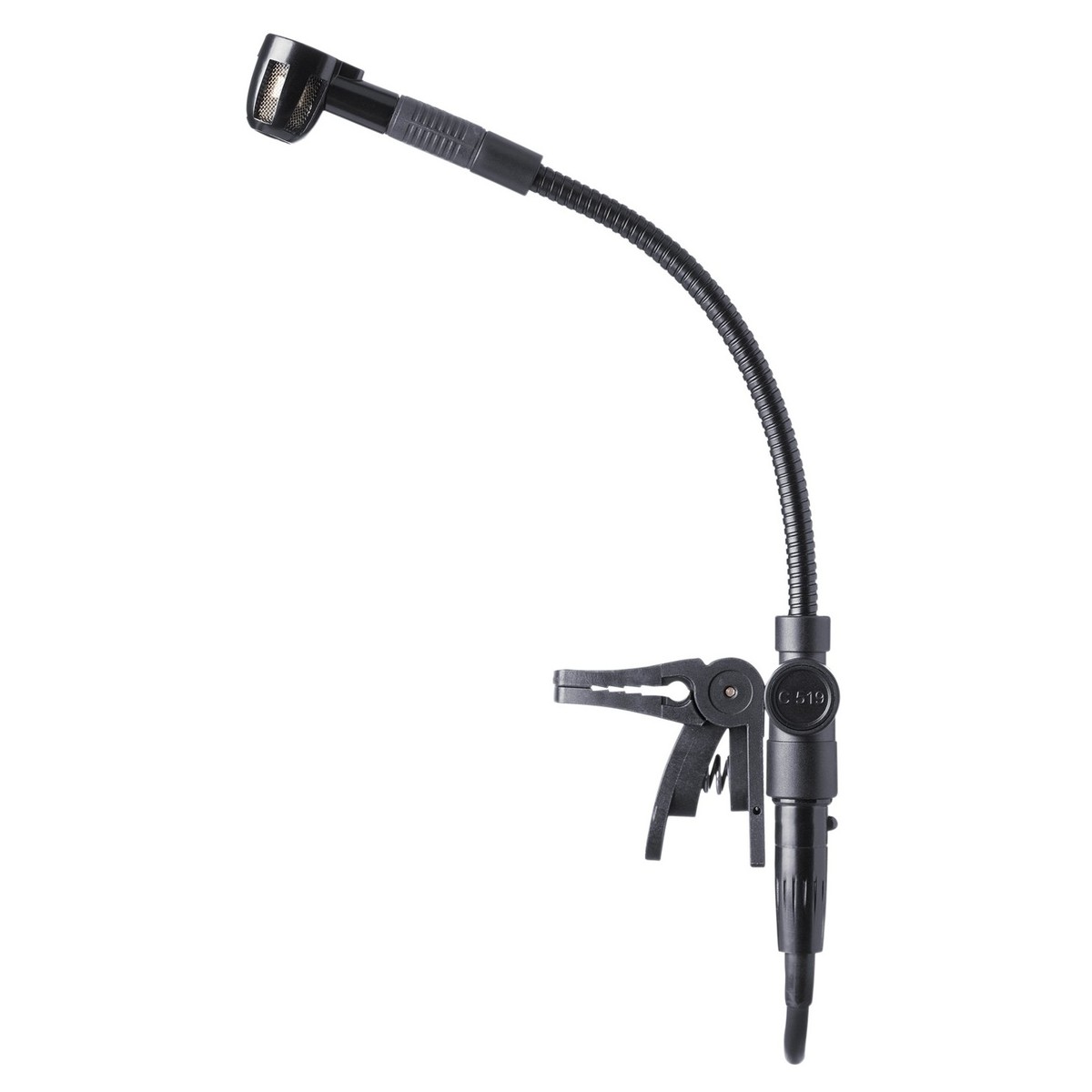
Live microphones are built for performance environments where reliability, durability and feedback control are essential. They are designed to handle high sound-pressure levels, resist handling noise and deliver consistent sound on stage, whether for vocals, instruments or spoken word.
Typically using dynamic or rugged condenser designs, live mics focus on clear projection and controlled pickup patterns to minimise bleed from other instruments. They are a staple of gigs, rehearsals and touring setups, providing dependable sound quality in demanding, real-world conditions.
Omnidirectional microphones capture sound equally from all directions, providing a natural and open recording that reflects the full acoustic environment. They are often used in studio, live and location settings where an accurate sense of space and room ambience is desired.
Because they do not favour a single direction, omnidirectional mics are less affected by proximity effect and handle movement around the microphone more smoothly. This makes them ideal for group vocals, round-table discussions, ambient recording and situations where consistent sound pickup is more important than isolating a single source.
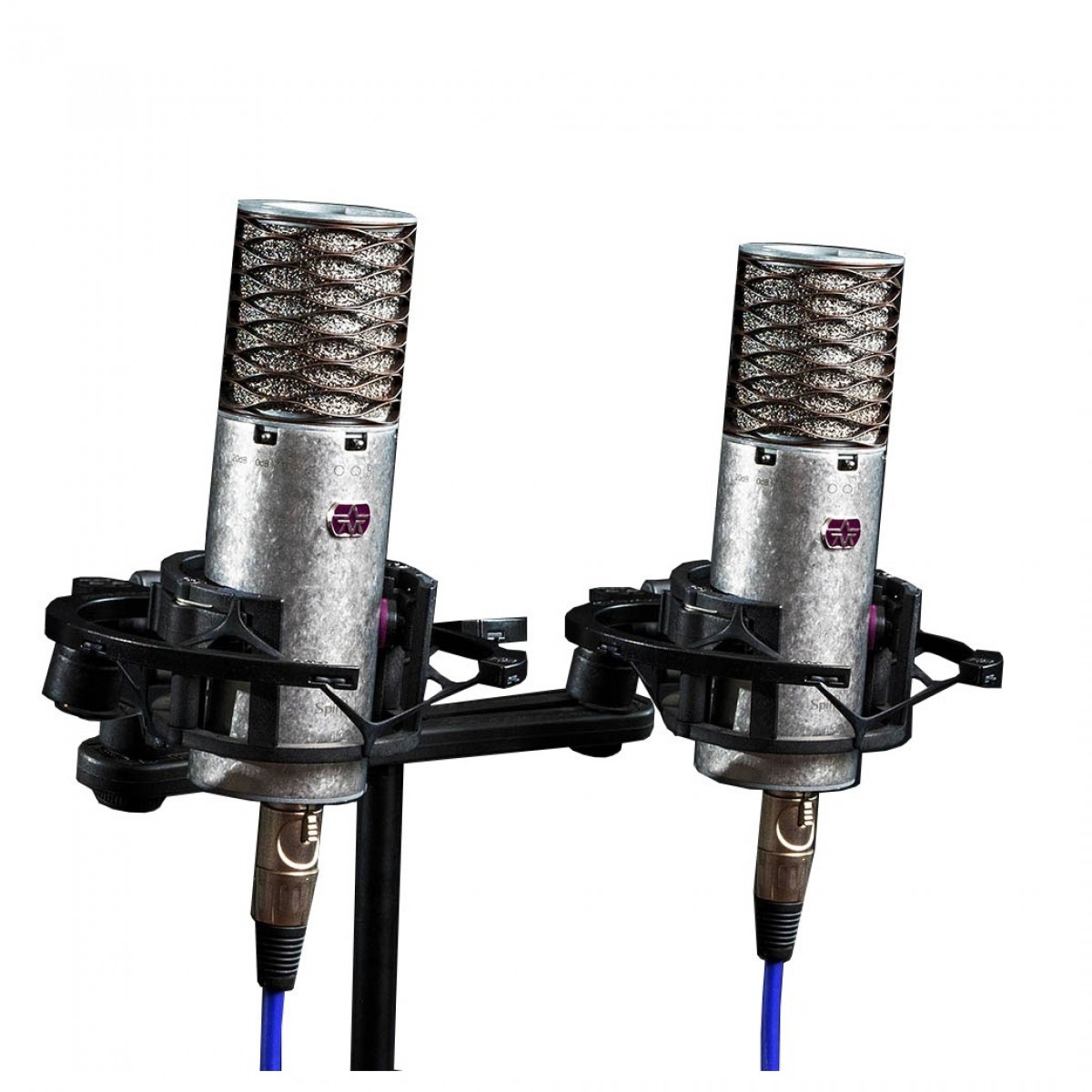
Stereo microphones and recording systems capture sound using two channels to create a sense of space and direction. They are commonly used for music recording, ambience, and location sound, providing a more natural and immersive representation of the sound environment.
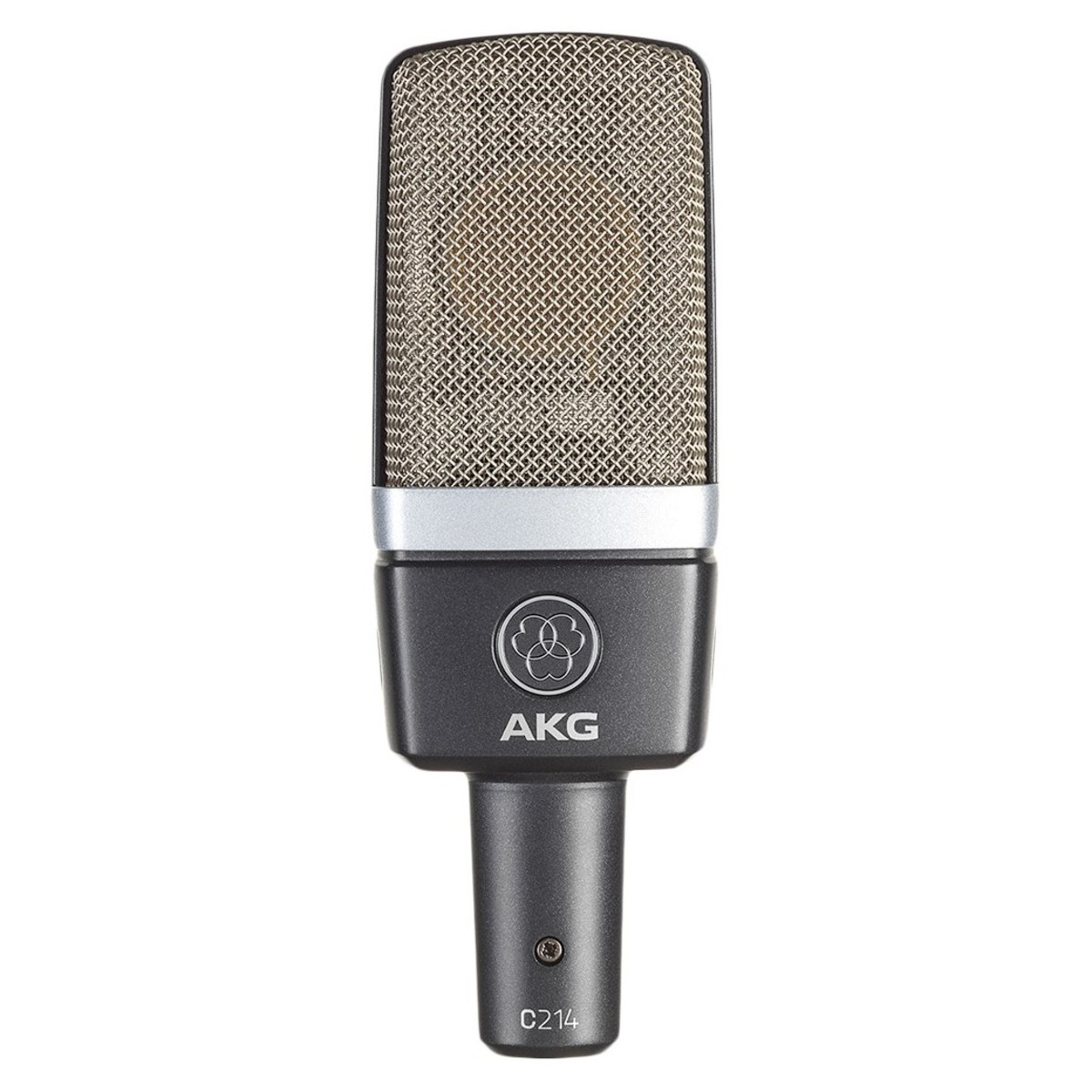
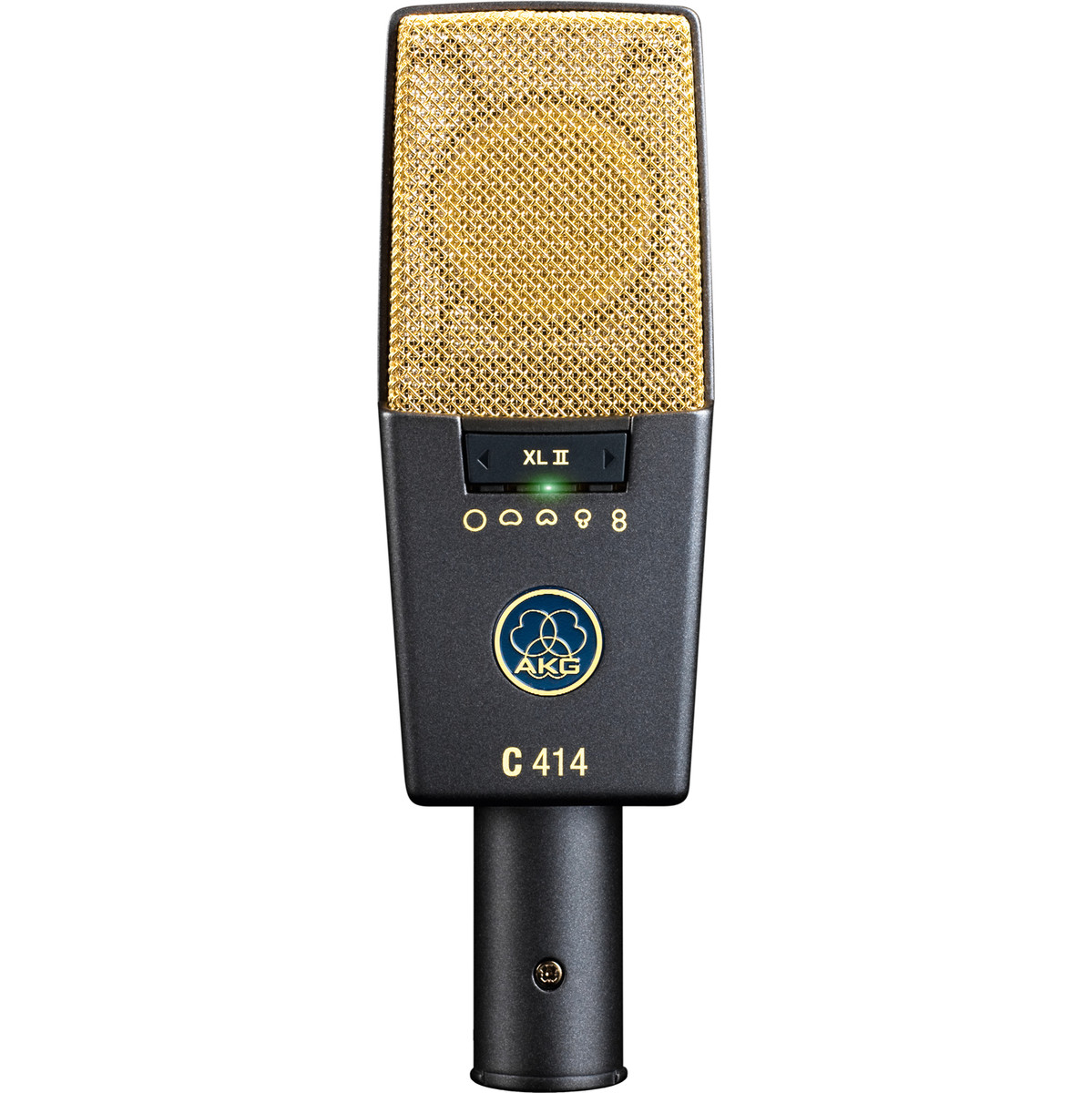
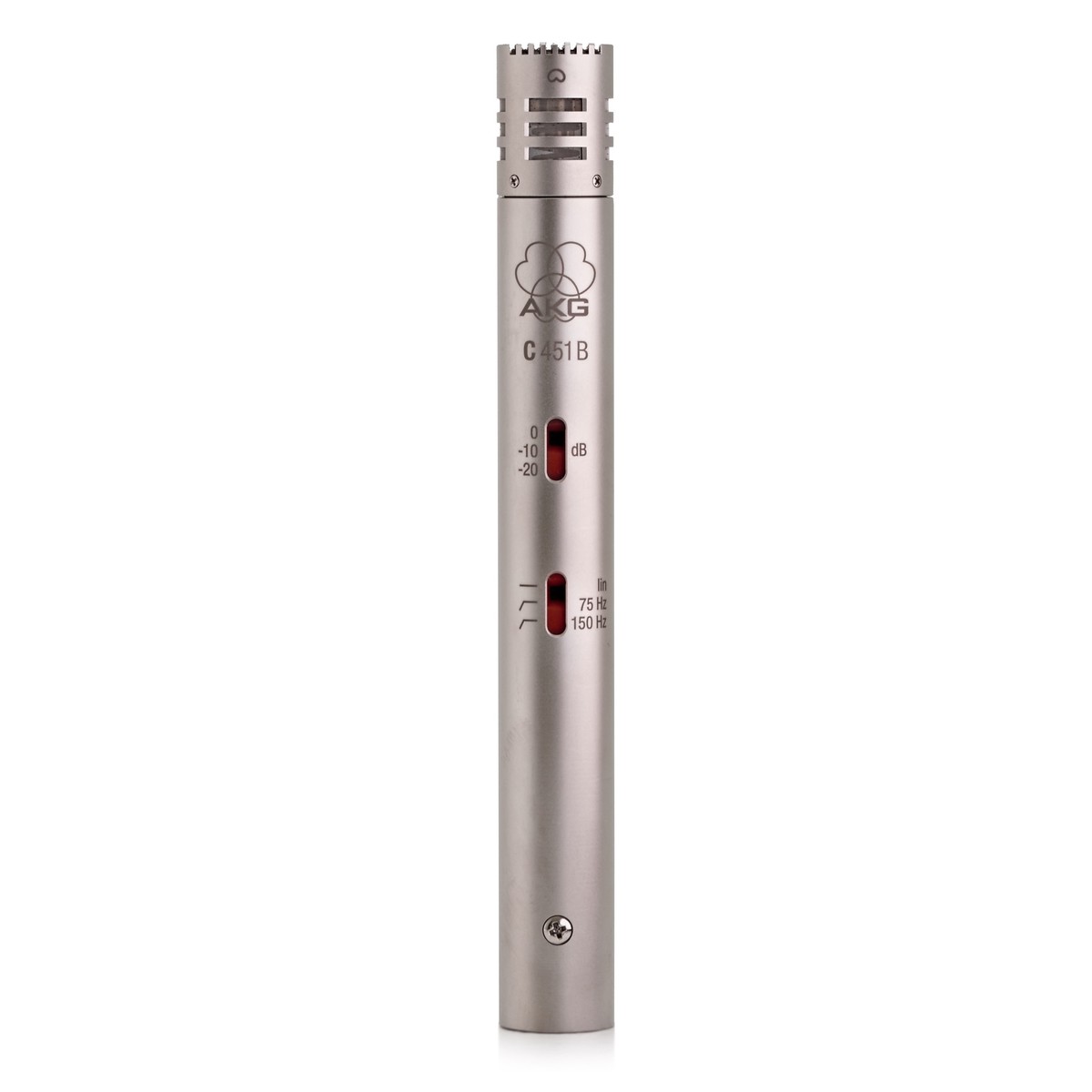
Studio microphones are designed for high-quality recording where detail, accuracy and tonal balance are essential. They are used in professional and home studios to capture vocals and instruments with clarity, depth and a wide frequency response.
Commonly condenser or ribbon designs, studio mics are valued for their sensitivity and ability to pick up subtle nuances. They are ideal for vocals, acoustic instruments, drum overheads and detailed sound sources, making them a core part of any recording setup where sound quality is the priority.