Brand
Audix is a microphone manufacturer known for rugged, performance-focused designs used in live sound and studio recording. The brand has built a strong reputation for microphones that handle high sound pressure levels while delivering clear, controlled results.
Audix microphones are especially popular for drums, guitar cabinets, and live vocals, offering reliable performance in demanding environments. MicPro suggests Audix microphones for musicians and engineers who need durability, focus, and consistent sound on stage or in the studio.
Category
Microphones are essential tools for capturing sound in recording, broadcast, and live performance. Different microphone types are designed for different sources, environments, and uses, from studio vocals and instruments to live sound and field recording. Choosing the right microphone depends on factors such as sound source, room acoustics, sensitivity, and the character you want to capture.
Tags
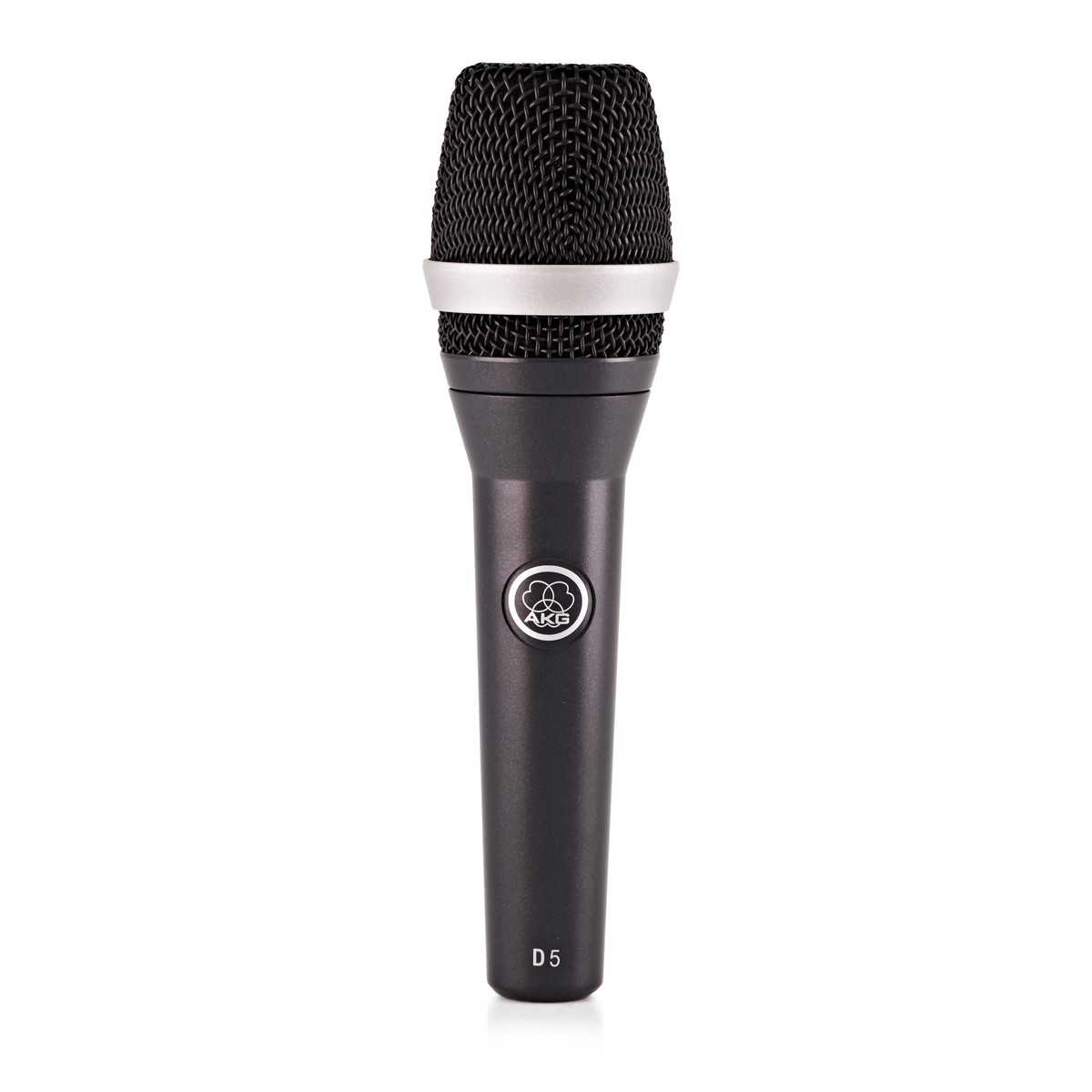
Cardioid is a directional microphone pickup pattern that captures sound primarily from the front while reducing sound from the sides and rear. It is widely used for vocals, podcasting, and live sound, helping to control background noise and reduce feedback in both studio and performance environments.
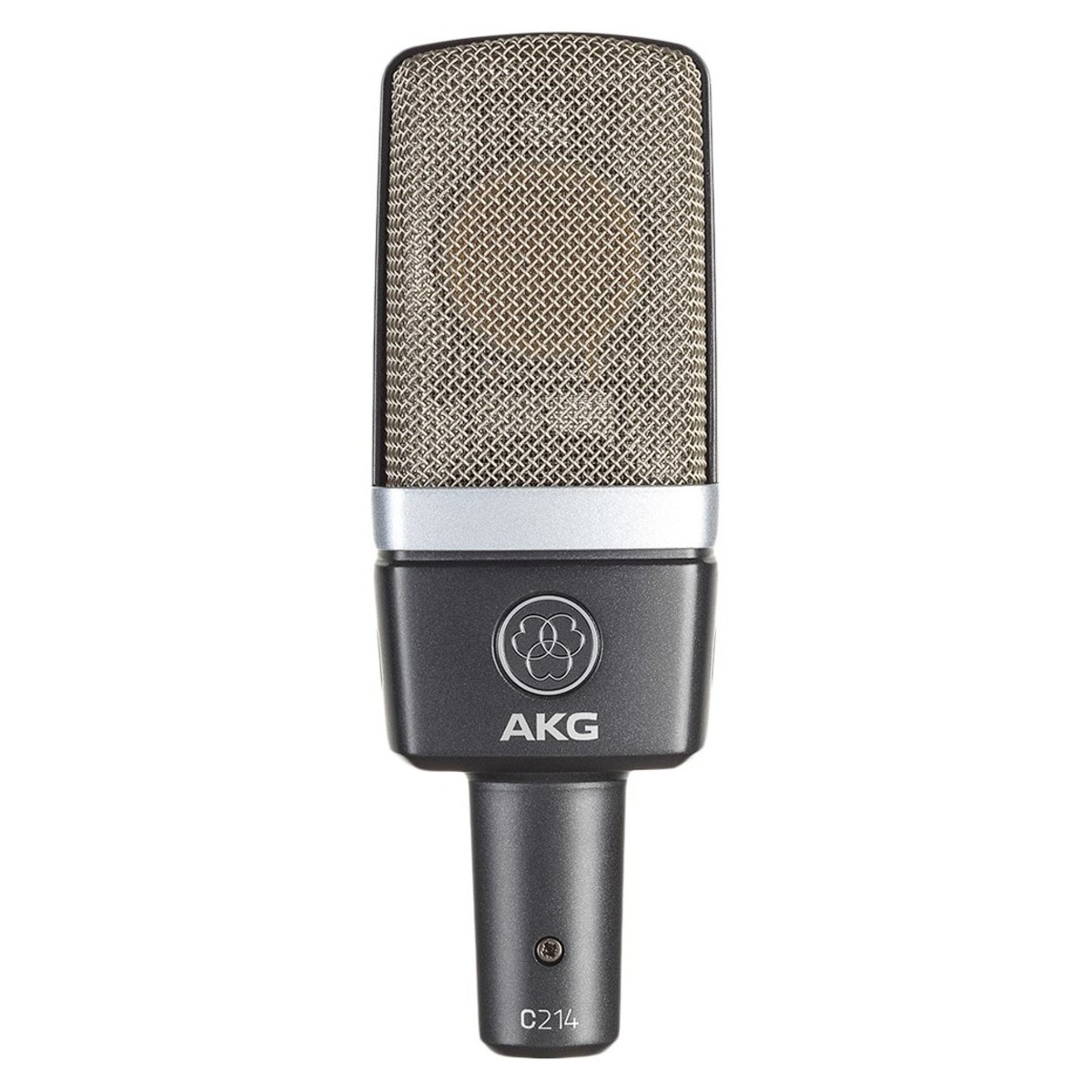
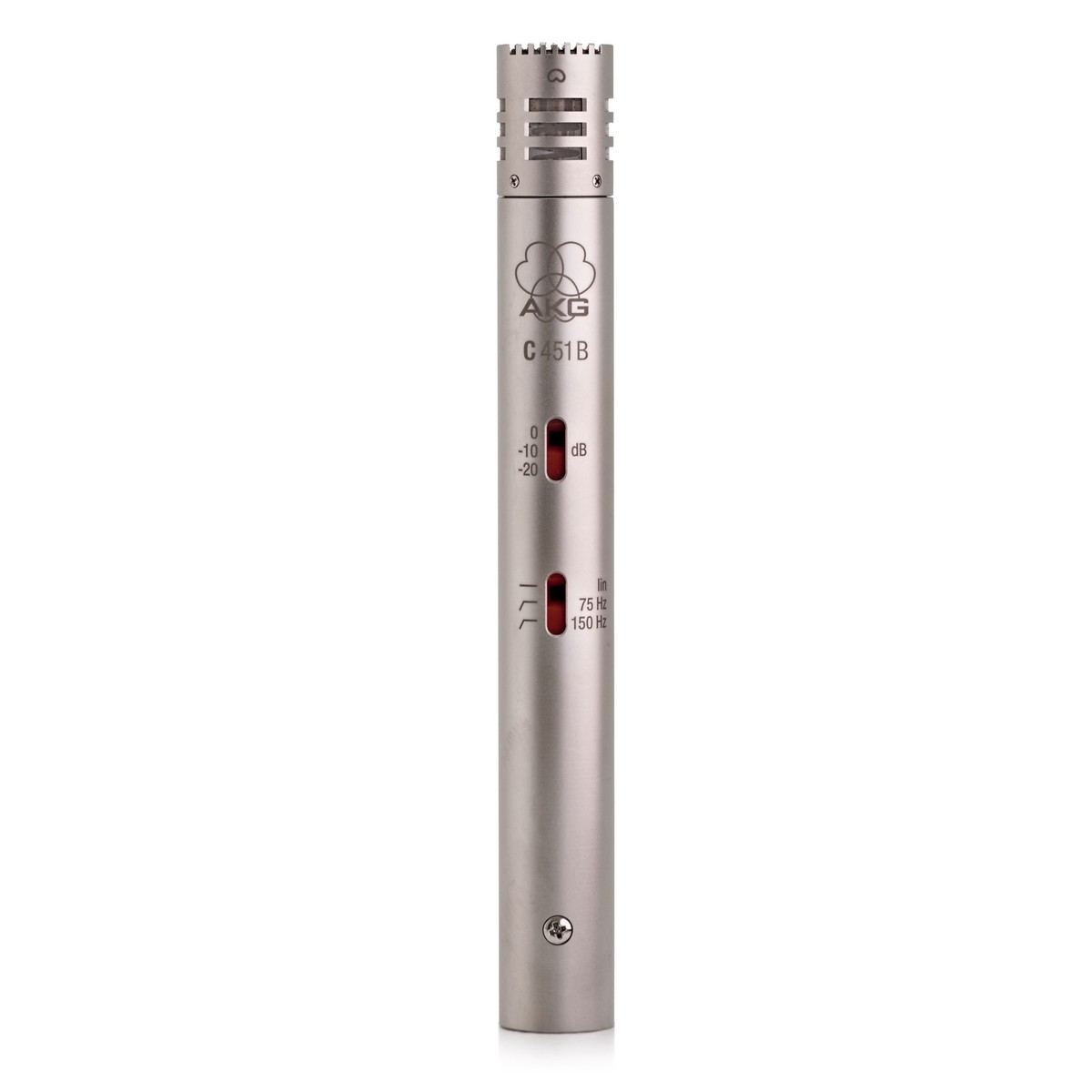
Condenser microphones are highly sensitive microphones designed to capture detail, clarity, and nuance. They are widely used in studio recording for vocals, acoustic instruments, piano, and ambient sound. Condenser microphones typically require phantom power and are available in large and small diaphragm designs, making them versatile tools for accurate sound capture.
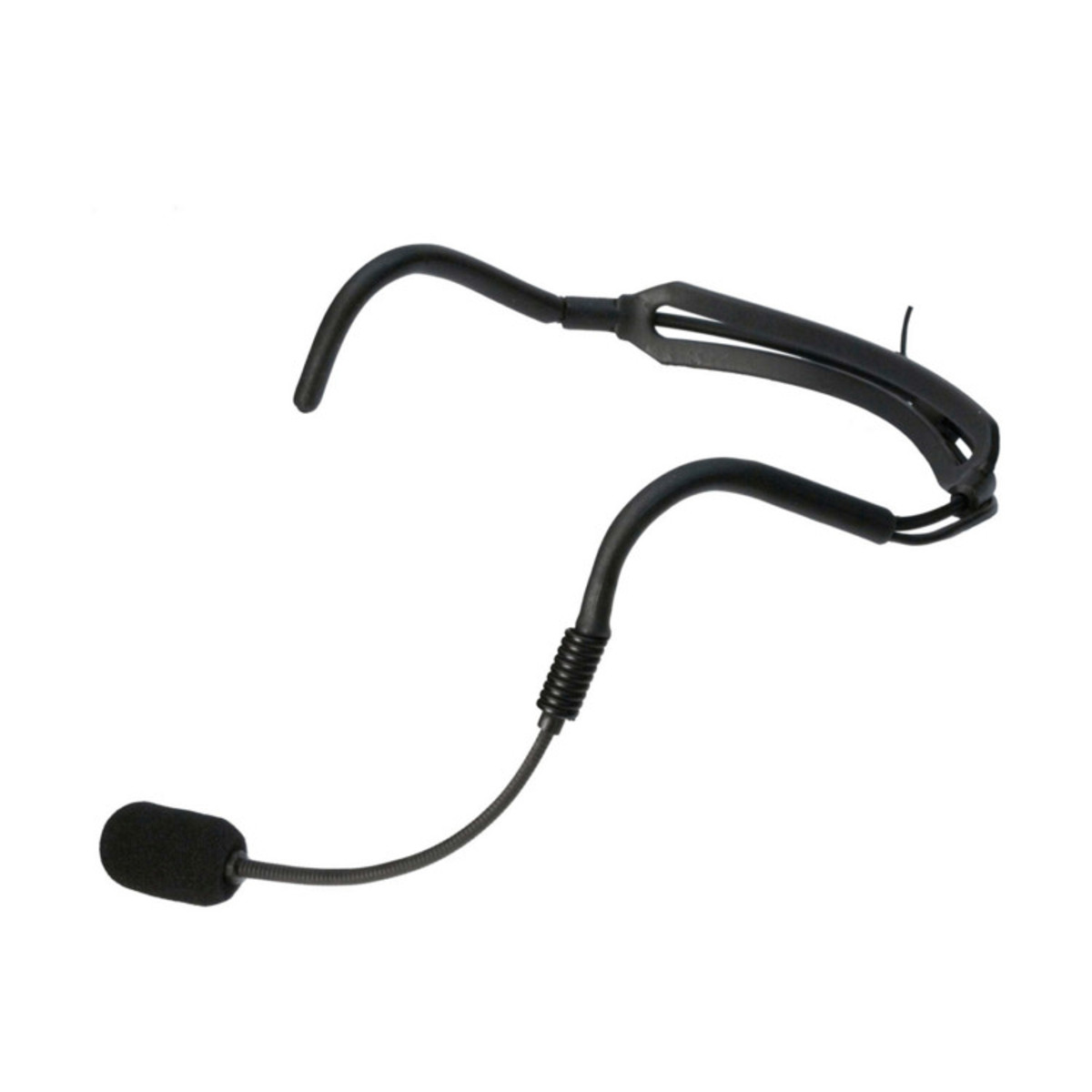
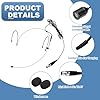
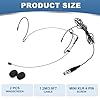
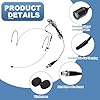
Headset microphones are worn on the head, keeping the microphone positioned close to the mouth for consistent, hands-free sound capture. They are widely used in live performance, theatre, broadcasting, fitness instruction and presentations where freedom of movement and reliable vocal level are essential.
Designed to be lightweight and discreet, headset mics offer clear speech intelligibility while reducing changes in volume caused by head movement. Their stable placement makes them ideal for energetic performers or speakers who need dependable, even vocal pickup throughout a session or show.
Supercardioid microphones use a tight directional pickup pattern that focuses strongly on sound from the front while rejecting much of the sound from the sides. They offer greater isolation than standard cardioid microphones, making them well suited to noisy environments.
Commonly used in live sound, broadcast and studio applications, supercardioid mics help reduce bleed from other instruments or speakers. Like hypercardioid microphones, they have a small rear pickup area, so careful placement is important to achieve the best clarity and control.
Wireless microphones use radio transmission to send audio from the microphone to a receiver without a physical cable. They are widely used in live performance, broadcast, theatre, and presentations, allowing freedom of movement while maintaining clear and reliable sound.