Choosing a microphone becomes much easier once you stop asking which microphone is best and ask what you need it to do. A singer in a treated studio, a podcaster beside a computer fan and a filmmaker standing three metres from an actor are all recording voices, but they need very different tools.
There are three questions to answer before looking at a price or brand: what are you recording, how noisy or reflective is the space, and what will the microphone connect to? Those answers usually narrow the choice faster than a page of technical specifications.
1. Dynamic microphones: the dependable problem-solvers
A dynamic microphone is often the sensible choice for live singing, guitar amplifiers, drums, broadcasting and untreated rooms. It is robust, handles loud sound well and usually hears less of the room than a sensitive studio condenser when used close to the source.
That does not mean a dynamic microphone magically removes background noise. It works because you can keep it close to your mouth or instrument and turn the gain down. For a bedroom podcast with traffic outside, a close dynamic microphone can produce a cleaner result than an expensive condenser placed at arm’s length.
-
Sennheiser e902 Dynamic Cardioid Bass Instrument Microphone Custom Bundle
£179.67 Read More -
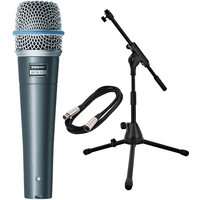
Shure Beta 57A Dynamic Microphone Bundle
£177.49 Read More -
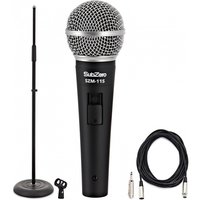
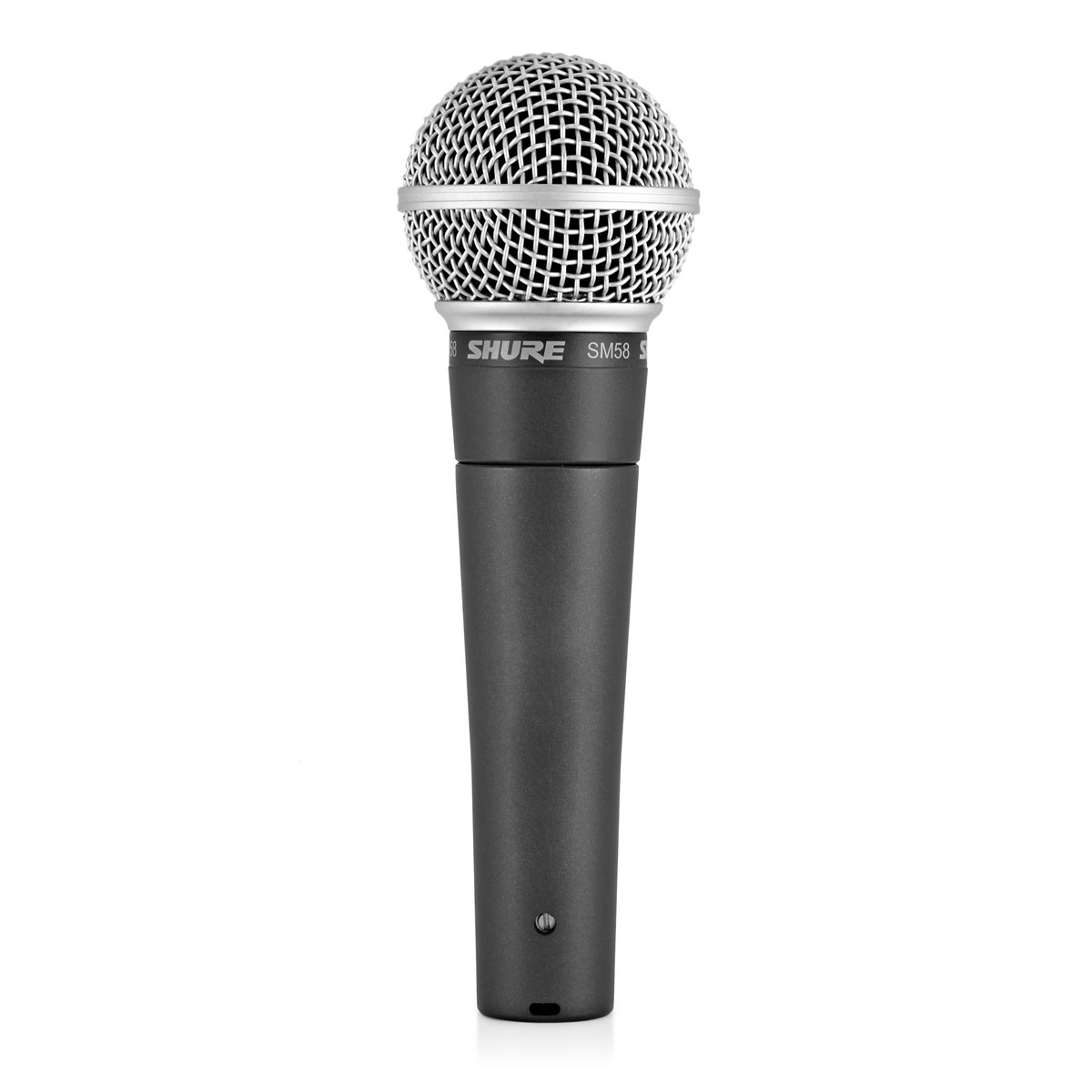
SubZero SZM-11S Dynamic Vocal Microphone with Switch Straight Stand Pack
£44.99 Read More -
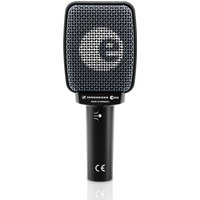
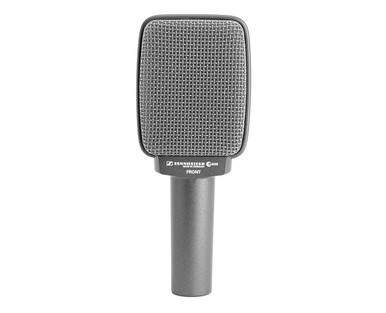
Sennheiser e906 Dynamic Instrument Microphone
£148.50 Read More
2. Condenser microphones: detail, space and studio sound
Condenser microphones are sensitive and quick to respond. They are a common choice for studio vocals, acoustic guitar, piano, strings, overheads and room recording because they capture fine detail and the edges of notes clearly.
That extra sensitivity includes the room. In a bare bedroom, a condenser may faithfully record hard-wall reflections, a computer fan and somebody closing a door downstairs. Give it a quiet, reasonably controlled space and it can sound open and polished. Most XLR condensers need 48-volt phantom power from an interface or mixer.
-
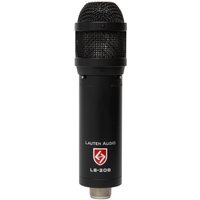
Lauten Audio LS-208 Noise-Rejecting Large Diaphragm FET Condenser Microphone
£519.00 Read More -
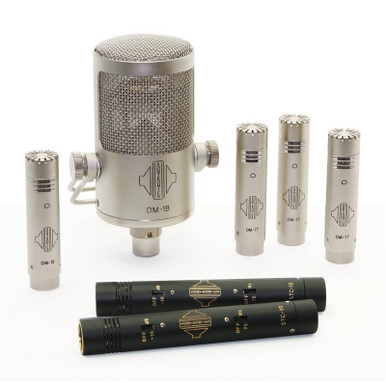
Sontronics Drumpack Plus Condenser Microphone Set for Drums
£889.00 Read More -
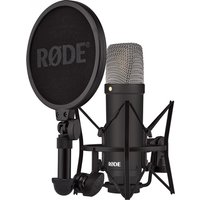
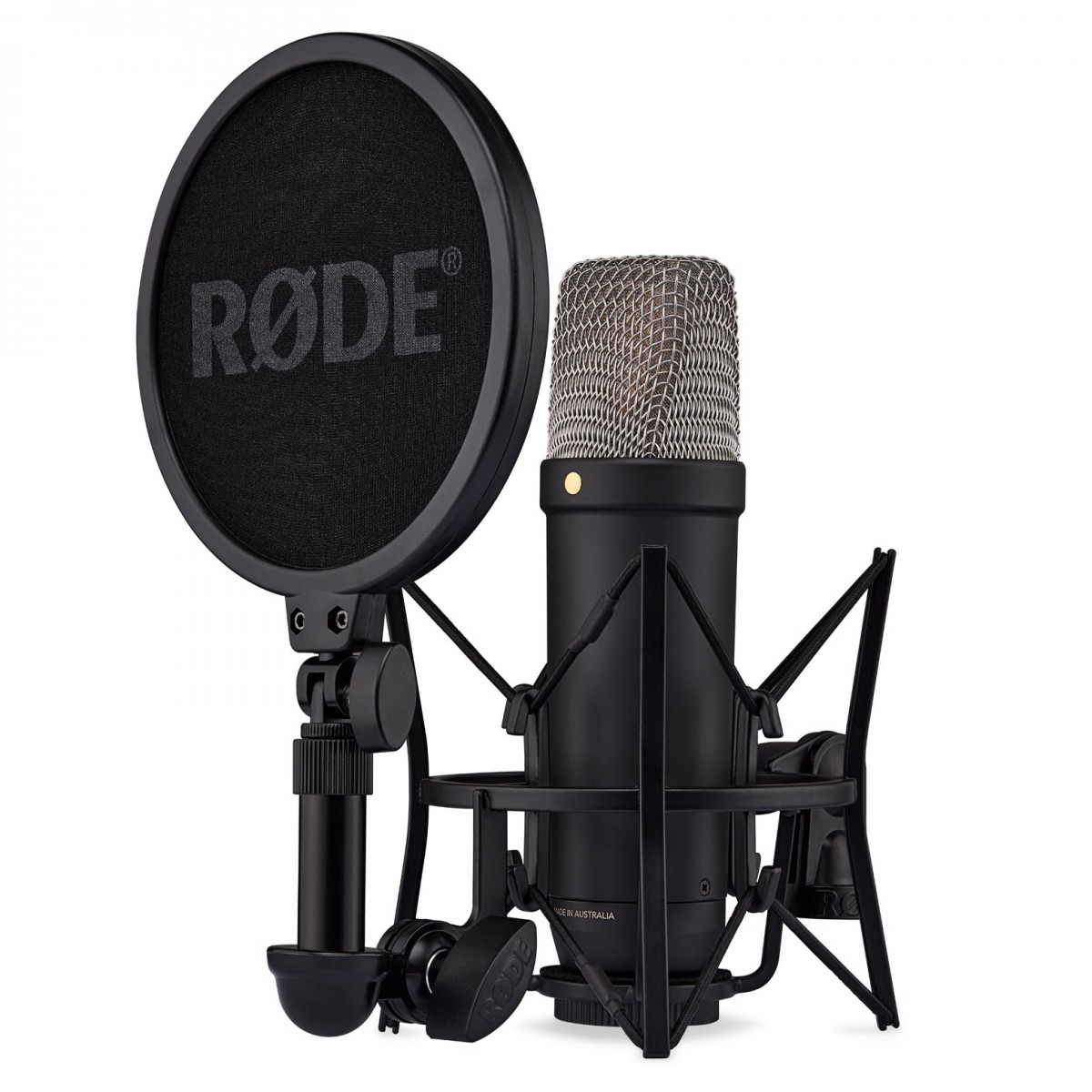
Rode NT1 Signature Series Condenser Microphone Black
£119.99 Read More -
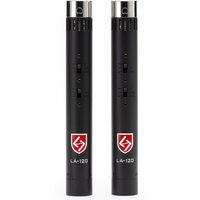
Lauten Audio LA-120 V2 Small Diaphragm Condenser Microphone Pair
£425.00 Read More
3. Ribbon microphones: smooth rather than shiny
Ribbon microphones are valued for a smooth, natural top end. They can be wonderful on guitar cabinets, brass, strings and sources that sound hard or brittle through a bright condenser. Many ribbons use a figure-of-eight pickup pattern, so they hear equally from the front and rear while rejecting the sides. That can be useful, but the room and placement matter.
Traditional passive ribbons produce a lower signal and need a good preamp. They also deserve careful handling. Modern models are less frightening than their reputation suggests, but a ribbon is not normally the first microphone to buy for a busy rehearsal room.
4. USB microphones: the shortest route into a computer
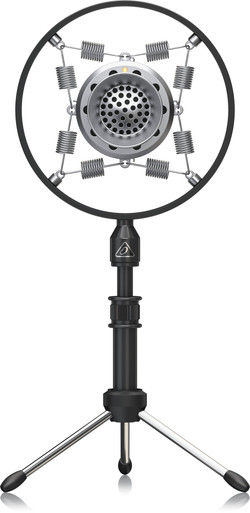
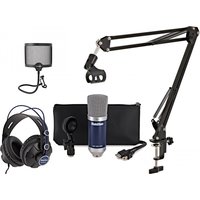
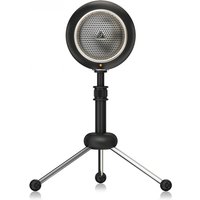
A USB microphone contains its own audio conversion, so it connects directly to a computer without a separate interface. This makes it useful for a first podcast, online lessons, voiceovers, streaming and simple home recording.
The trade-off is expansion. One USB microphone is easy; recording several USB microphones together can be awkward. An XLR system costs more to start but makes it easier to add more microphones, change the interface and record several people or instruments at once. Some current microphones provide both USB and XLR, which is a particularly useful bridge between the two approaches.
5. Lavalier and headset microphones: when hands must stay free
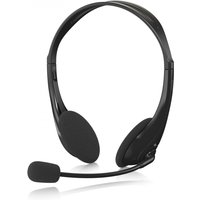
A lavalier is the small microphone clipped to clothing for interviews, presentations and video. It keeps the level reasonably consistent while the person moves and remains discreet on camera. A headset moves the capsule closer to the mouth and is often better for fitness instruction, theatre and energetic presentation.
Clothing rustle and poor placement cause more problems than the microphone itself. A lavalier should be secured so fabric cannot brush across it, and a wireless version needs a properly charged transmitter and a clear radio frequency.
6. Shotgun microphones: dialogue from outside the picture
Shotgun microphones are designed to focus on sound arriving from the direction in which they are aimed. They are widely used on boom poles, cameras and location shoots. They do not zoom into a voice from across a street: distance still matters. A modest shotgun placed just out of frame is usually more useful than a prestigious one fixed to a camera several metres away.
Highly reflective indoor rooms can also make a long shotgun sound coloured. For indoor dialogue, a shorter directional microphone positioned close above the speaker may give a more natural result.
7. Wireless microphones: freedom with extra responsibilities
Wireless describes the connection rather than the sound-producing capsule. A wireless handheld can use a familiar vocal capsule; a bodypack can feed a lavalier, headset or instrument cable. The advantage is movement. The cost is batteries, radio planning and another connection that can fail.
For a singer standing at one microphone, a cable remains cheap and dependable. Wireless earns its place when the performer, presenter or camera subject genuinely needs to move.
Pickup patterns in plain English
Cardioid: mainly hears the front and rejects much of the rear. A useful general-purpose pattern.
Supercardioid or hypercardioid: tighter at the front, with a small area of sensitivity behind. Monitor-speaker placement matters.
Omnidirectional: hears in every direction. It can sound natural, but it also hears the room.
Figure of eight: hears the front and rear while rejecting the sides. Common with ribbons and useful for some stereo techniques.
XLR or USB?
Choose USB when you need one microphone, one computer and the simplest possible setup. Choose XLR when you want to record several sources, use a mixer, change preamps or build a system over time. Neither connector makes a microphone sound professional on its own.
The practical answer for many first-time buyers is a dual-output USB/XLR microphone. It can be used immediately by USB and later connected to an interface by XLR.
The short answer
Home vocals in a decent room: start with a large-diaphragm condenser.
Home speech in a noisy or untreated room: use a close dynamic microphone.
Live singing: choose a handheld dynamic vocal microphone.
A first podcast with no interface: choose USB, preferably with a headphone socket.
Video interviews: use a lavalier or a close boom-mounted shotgun.
Guitar amplifiers and bright brass: try a dynamic or ribbon microphone.
Drums: use purpose-chosen dynamics close to the kit and condensers overhead.
A good microphone is not the one that captures the most sound. It is the one that captures the sound you need while ignoring as much of the rest as possible. Once the job and the room are clear, the choice becomes far less mysterious.