The usual advice for recording vocals at home is to buy a large-diaphragm condenser. That can be excellent advice in a quiet, softened room. It can also produce a very accurate recording of a boxy bedroom, a humming computer and traffic outside.
These five microphones are not five versions of the same studio condenser. Each suits a different home-recording problem: the flexible all-rounder, the affordable first XLR microphone, the untreated room, the simplest USB setup and the singer who wants a more open stage-style dynamic sound.
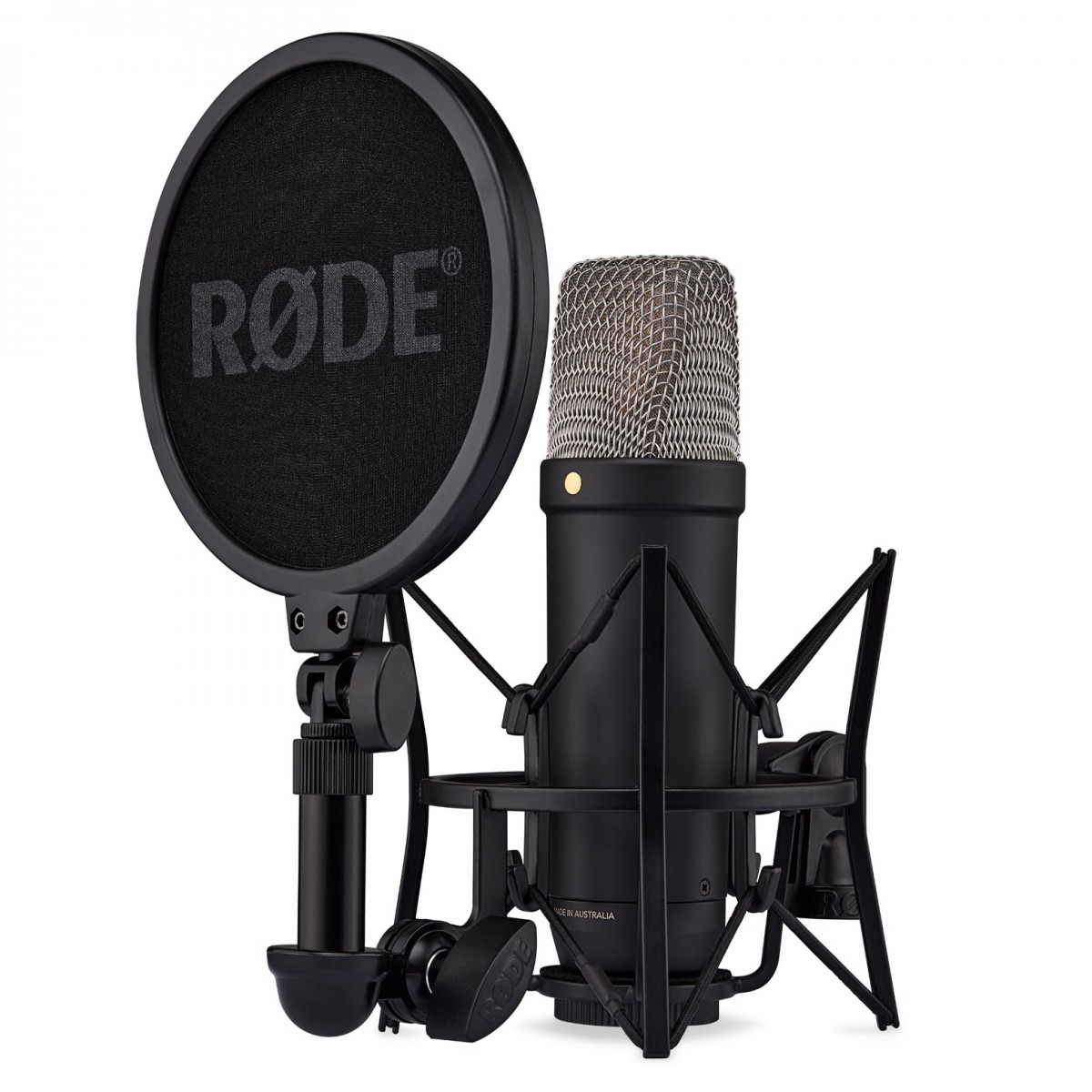
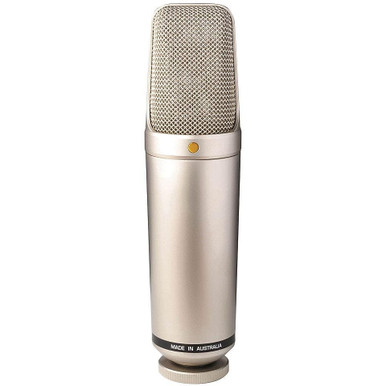
1. RØDE NT1 5th Generation: the most flexible home-studio choice
The NT1 5th Generation is a large-diaphragm condenser with both XLR and USB connectivity. That makes it unusually useful for somebody starting with a laptop but likely to add an audio interface later. It is quiet, detailed and capable of handling everything from soft singing to loud instruments.
Choose it when the room is reasonably quiet and you want a polished, full vocal recording. The USB connection is convenient for one-person recording, while XLR allows the microphone to become part of a larger studio. It is not the answer to a reflective room: if handclaps produce an obvious metallic flutter, soften the space before blaming the microphone.
Best for: a singer-songwriter who wants one serious microphone for vocals and instruments without choosing between USB and XLR at the outset.
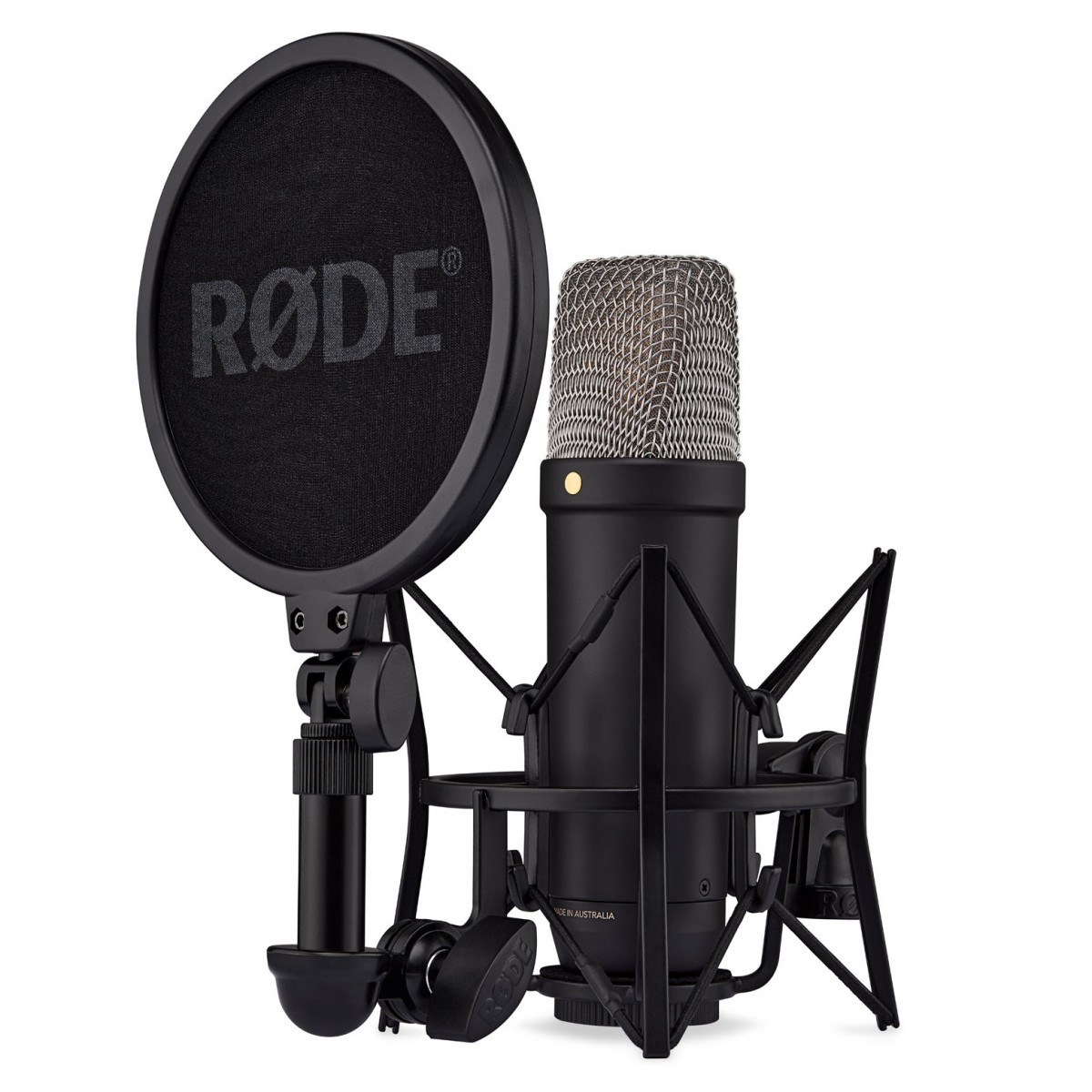
Rode NT1 5th Gen XLR and USB-C Studio Microphone Black
This is the Rode NT1 5th Gen XLR and USB-C Studio Microphone Black from Rode, available now in USB Microphones category on MicPro. Read More below.
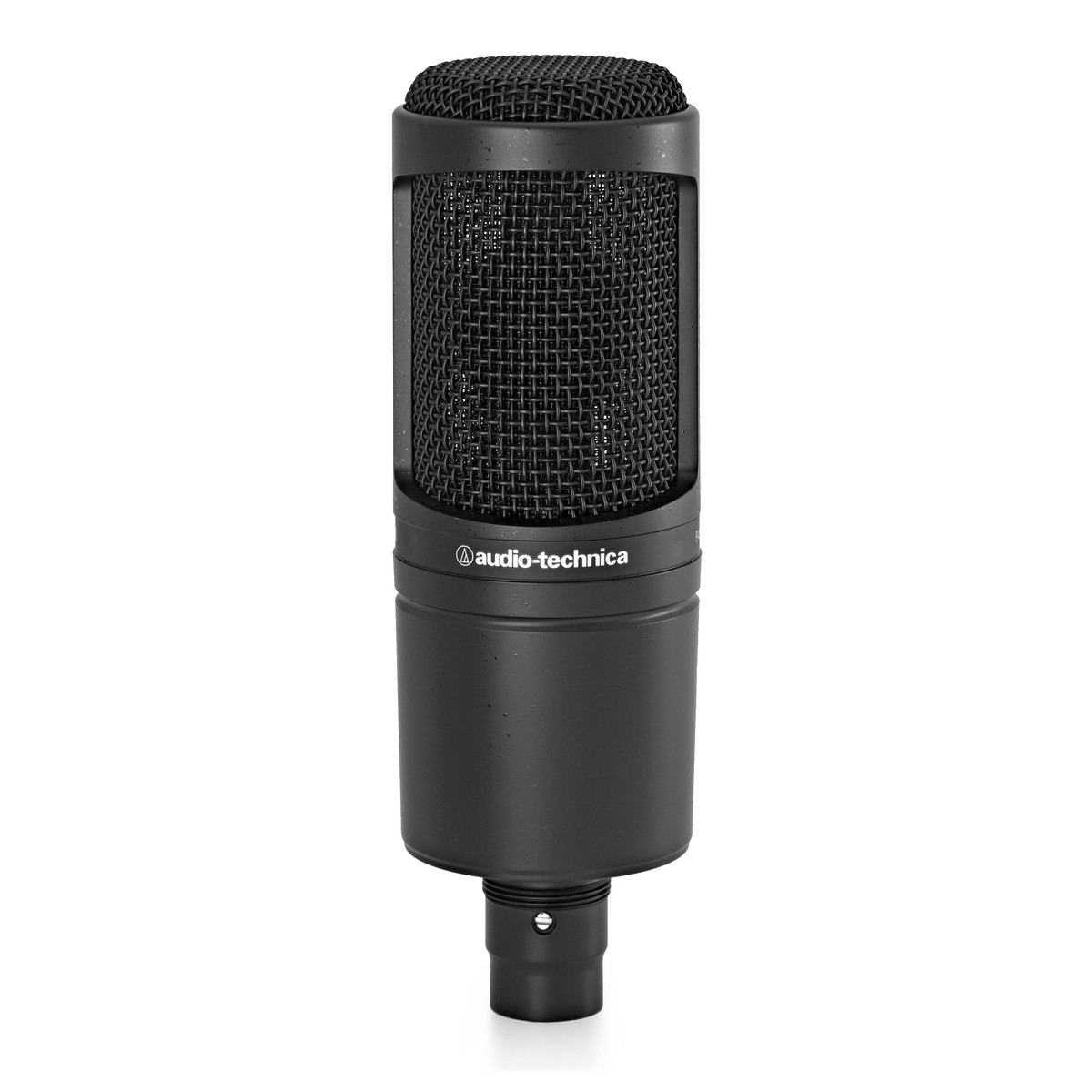
2. Audio-Technica AT2020: the straightforward first XLR condenser
The AT2020 has become a familiar entry point into XLR recording because it gives a clear condenser sound without pretending to be a luxury studio microphone. It suits vocals, acoustic instruments and general home-studio experiments.
It needs an audio interface with phantom power, an XLR cable, a stand and preferably a pop shield. That makes the complete starting cost higher than the microphone’s price alone. In return, you begin with a normal XLR system that can grow with you.
Best for: a beginner with an interface and a room that is quiet enough to benefit from a condenser.
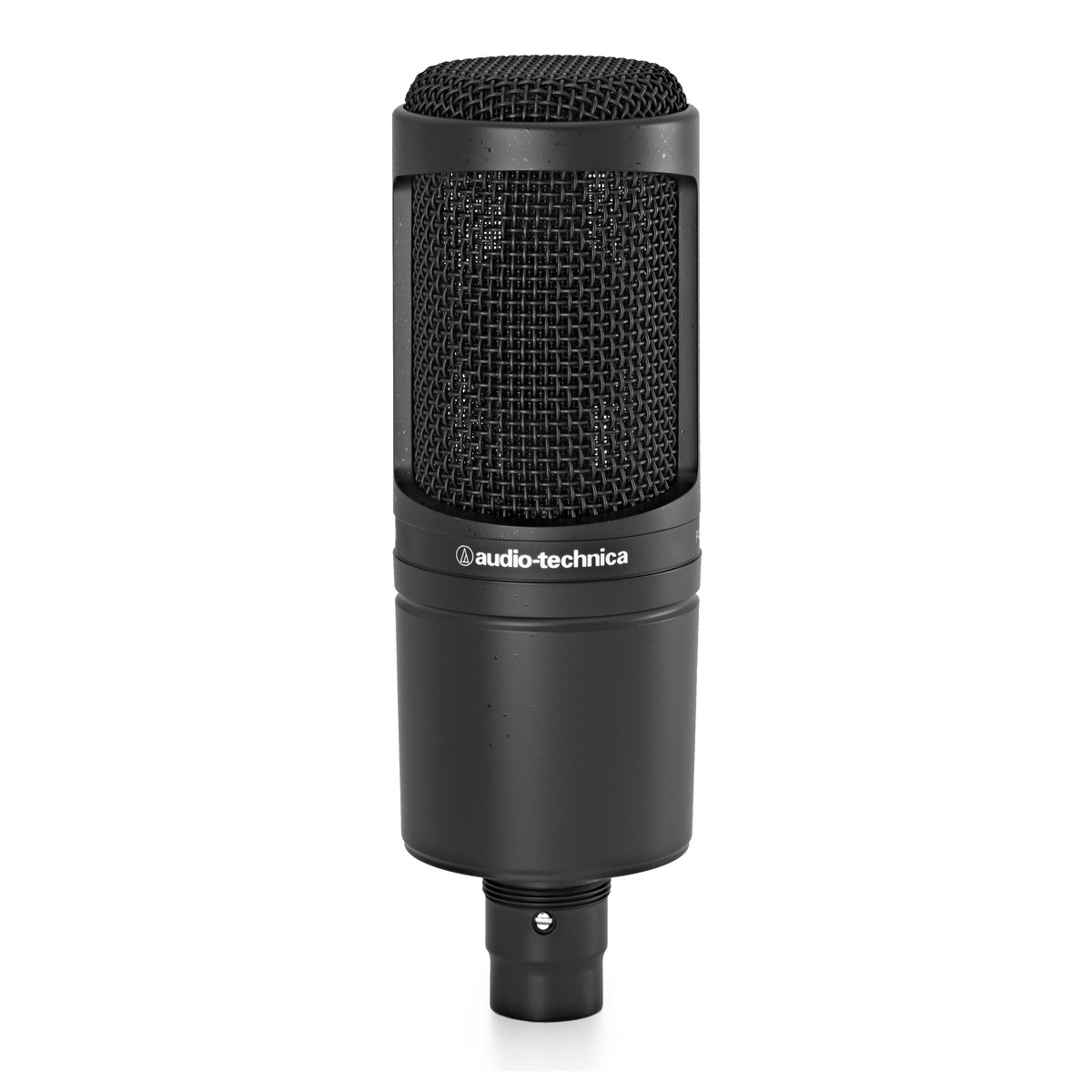
Audio Technica AT2020 Cardioid Condenser Microphone
This is the Audio Technica AT2020 Cardioid Condenser Microphone from Audio-Technica, available now in Condenser Microphones category on MicPro. Read More below.
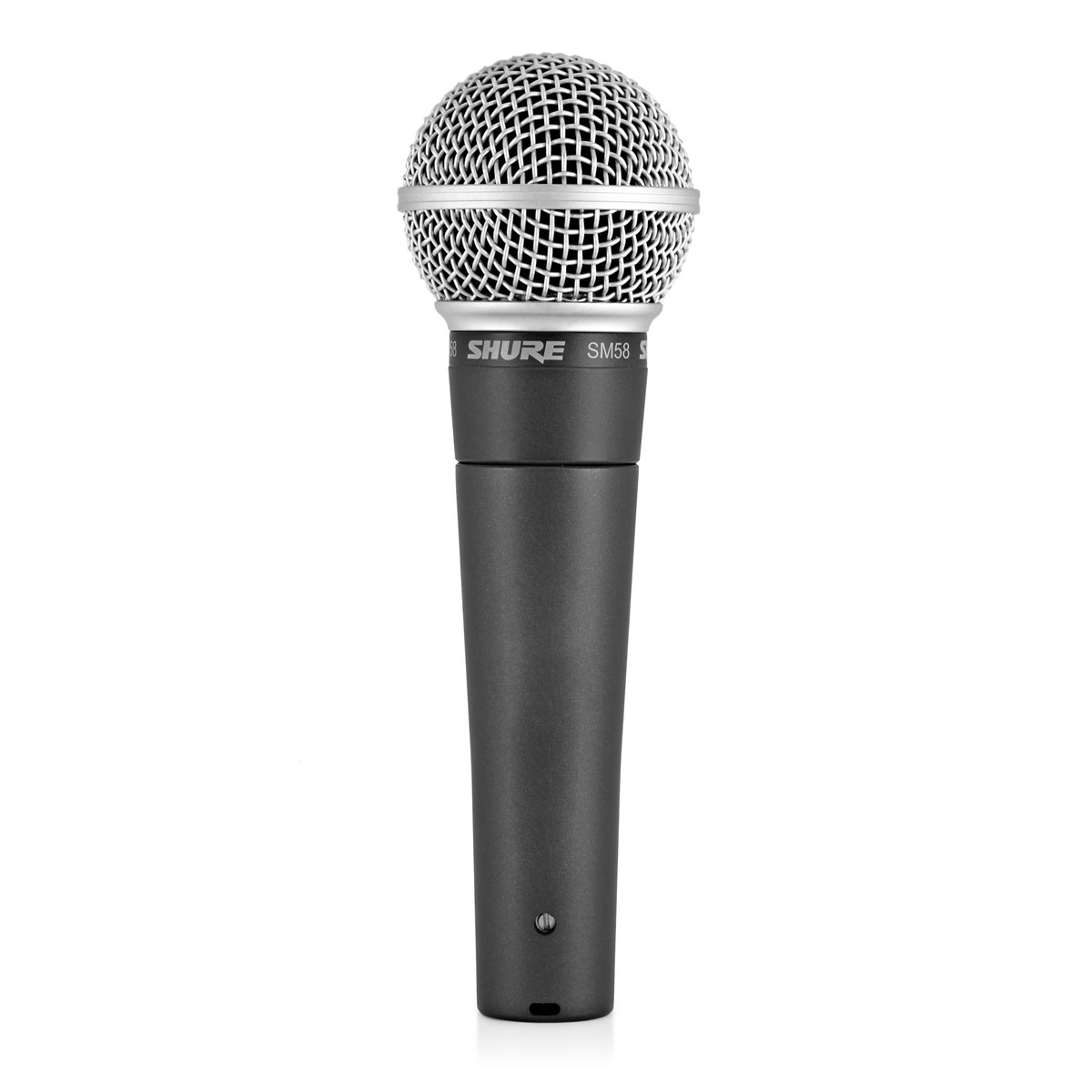
3. Shure SM58: the sensible choice for a difficult room
The SM58 is known as a live vocal microphone, but it can be very useful at home. Used close to the mouth, it captures a strong direct vocal while allowing the interface gain to stay lower. This reduces the balance of room reflections and background noise in the recording.
It will not have the same airy top end as a condenser, and a quiet singer may need a capable preamp. The result can nevertheless be far more usable than an expensive condenser recording the entire bedroom. Add a foam windscreen or pop shield and keep a consistent distance.
Best for: loud singers, rock vocals, untreated rooms and anyone who also needs a dependable live microphone.
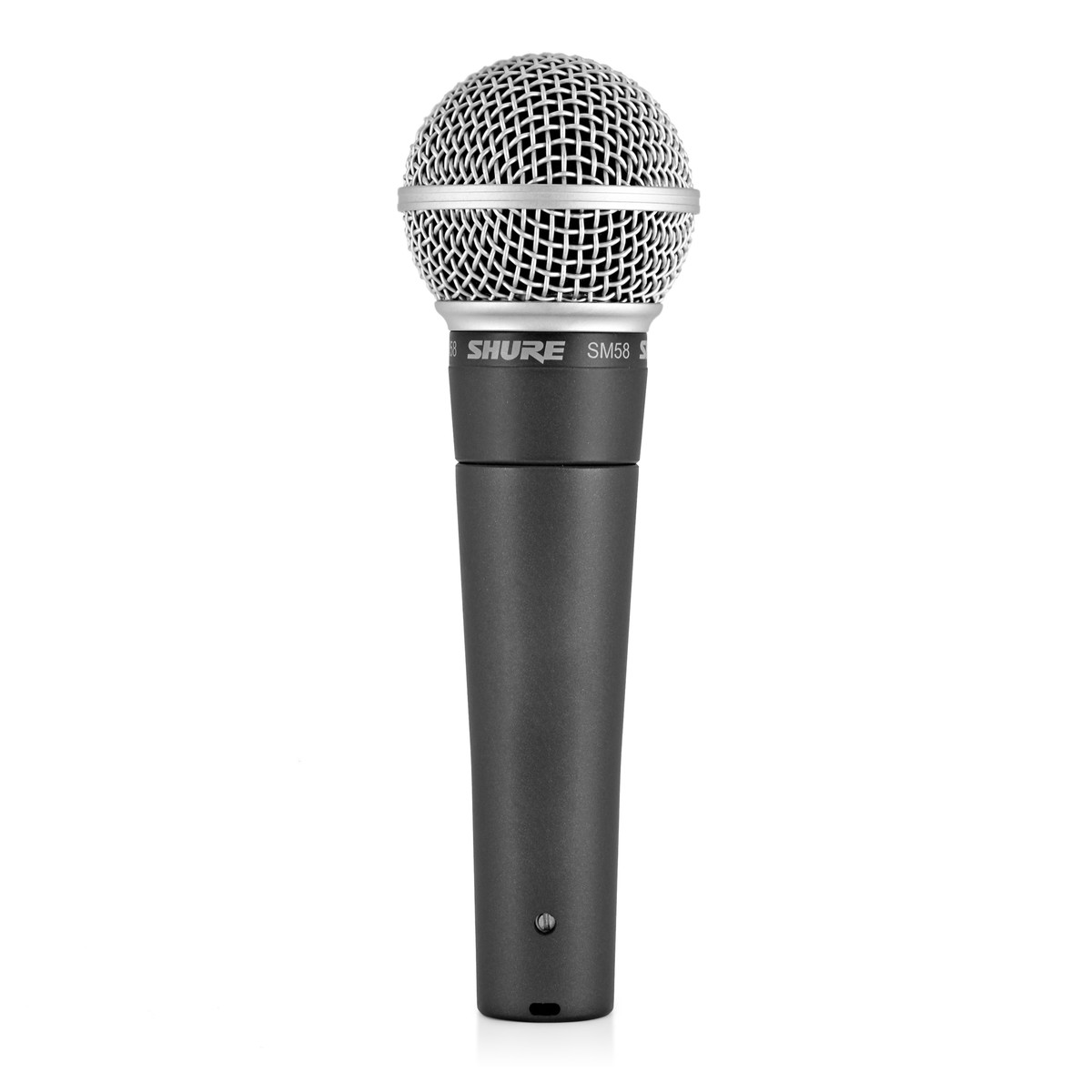
Shure SM58 Dynamic Cardioid Vocal Microphone
This is the Shure SM58 Dynamic Cardioid Vocal Microphone from Shure, available now in Dynamic Microphones category on MicPro. Read More below.
4. Audio-Technica AT2020USB-X: the simplest detailed vocal setup
The AT2020USB-X takes the useful character of a cardioid condenser and puts the computer connection inside the microphone. It is designed for direct USB-C recording and includes headphone monitoring, so a singer can hear the recording signal without waiting for it to travel through software and back again.
It is a good answer when you want one microphone and do not want to learn audio interfaces before recording a song. Like any condenser, it still hears the room. Put it on a proper stand, aim the front towards the singer and move the computer away from the microphone if its fan becomes audible.
Best for: solo recording, content creation and musicians who want a clean USB system with no separate interface.

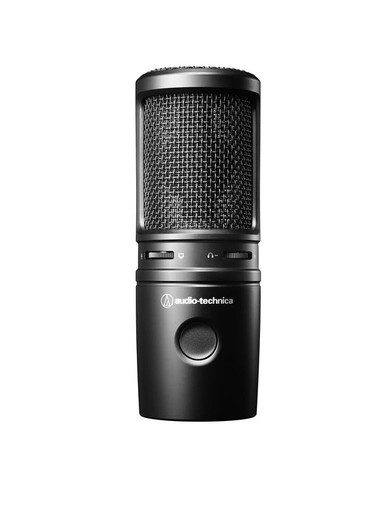
Audio Technica AT2020USB-X Cardioid Condenser Mic with Headphone Amp
This is the Audio Technica AT2020USB-X Cardioid Condenser Mic with Headphone Amp from Audio-Technica, available now in Condenser Microphones category on MicPro. Read More below.
5. sE Electronics V7: a lively dynamic alternative
The V7 is a supercardioid handheld dynamic microphone with a crisp, open presentation. Its tighter pickup pattern can help separate the voice from surrounding sound, provided the singer stays on the front of the microphone.
It is a useful alternative for somebody who finds a traditional stage dynamic a little too soft at the top but still needs more room control than a condenser provides. Because the pattern is tight, changes in angle and distance are more obvious. Good microphone technique is rewarded.
Best for: energetic vocals, live and home use, and rooms where isolation matters more than capturing every reflection.
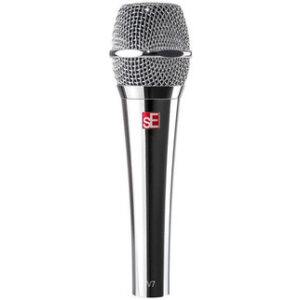
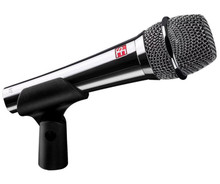

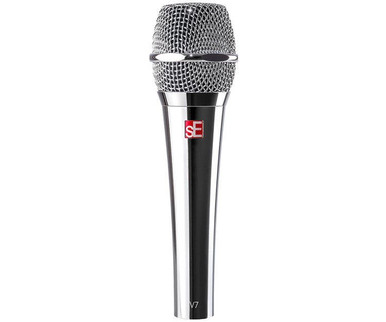
SE Electronics V7 Chrome Dynamic Vocal Microphone Bundle with Mic Stand and XLR Cable
This is the SE Electronics V7 Chrome Dynamic Vocal Microphone Bundle with Mic Stand and XLR Cable from sE Electronics, available now in Dynamic Microphones category on MicPro. Read More below.
Three things that improve any home vocal recording
Control what is behind the singer. A cardioid microphone rejects much of the sound behind it, so place the absorbent material behind the singer where the microphone is pointing. A duvet or thick curtains can make a bigger difference than a minor microphone upgrade.
Use distance deliberately. Start around 15 centimetres away with a pop shield between singer and microphone. Move closer for more intimacy and less room, or further away for a more open sound. Listen for plosives and excessive bass.
Record at a healthy level, not the loudest possible level. Leave headroom for the strongest note. Clipping cannot be repaired by turning the track down afterwards.
Which one should you buy?
Choose the RØDE NT1 5th Generation for the most flexible USB-and-XLR studio route.
Choose the AT2020 for a proven, affordable first XLR condenser.
Choose the SM58 when the room is the main problem.
Choose the AT2020USB-X when simplicity matters more than future expansion.
Choose the sE V7 for a tight, clear dynamic vocal sound that can also go on stage.
The room is part of the recording chain. Spend less on the microphone if that leaves enough for a stand, pop shield, closed-back headphones and a little acoustic control. A modest microphone in the right position will beat an impressive microphone aimed at the wrong side of a bare room.
Vocal Microphones