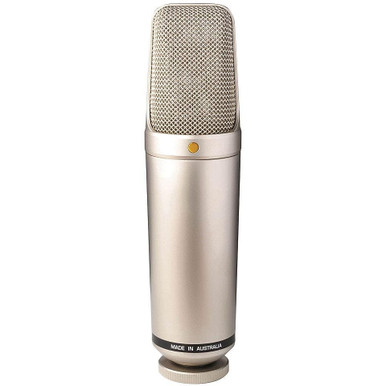
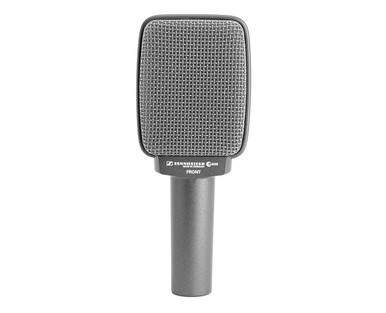
An instrument microphone does not need to reproduce everything in the same way. A guitar cabinet benefits from a microphone that handles volume and can sit close to the speaker. An acoustic guitar needs detail without exaggerated finger noise. A piano may need one versatile microphone or a stereo pair, depending on the room and the recording.
These five are deliberately different. Together they show the main routes into recording instruments rather than presenting five large-diaphragm condensers as if the source did not matter.
1. Shure SM57: the useful first instrument dynamic
The SM57 is a cardioid dynamic used on guitar cabinets, snare drums, brass, percussion and many other loud sources. It handles close placement, does not need phantom power and changes character noticeably as it moves across a loudspeaker cone.
On a guitar cabinet, start a few centimetres from the grille where the dust cap meets the cone. Move towards the centre for more bite and towards the edge for a darker sound. That two-minute placement experiment often matters more than changing microphone.
Best for: electric guitar amplifiers, snare, brass, percussion and a first general-purpose instrument microphone.
Shure SM57 Dynamic Instrument Microphone
This is the Shure SM57 Dynamic Instrument Microphone from Shure, available now in Dynamic Microphones category on MicPro. For more details, images and how to order in the UK Read More below.
2. Sennheiser e609: quick, tidy guitar-cabinet recording
The flat-fronted e609 is designed to face a guitar cabinet and can be hung by its cable over the front when floor space is tight. This makes it convenient on stage and in small recording rooms where another boom stand would be in the way.
Its sound and placement options differ from a pencil-shaped dynamic, but the same rule applies: move it across the speaker and listen. Do not assume the centre of the cabinet is automatically correct.
Best for: guitar and bass cabinets, rehearsals, live recording and fast setups with limited stand space.
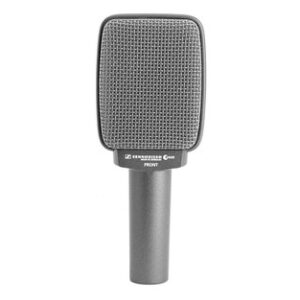
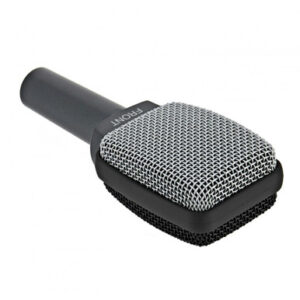

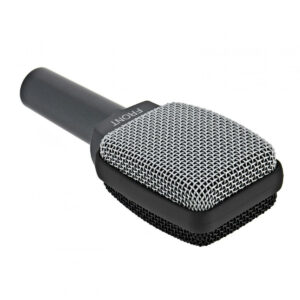
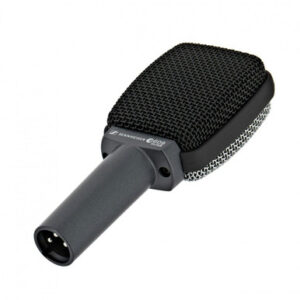
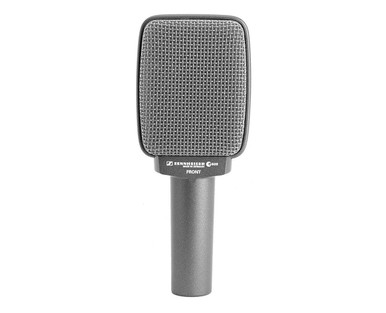
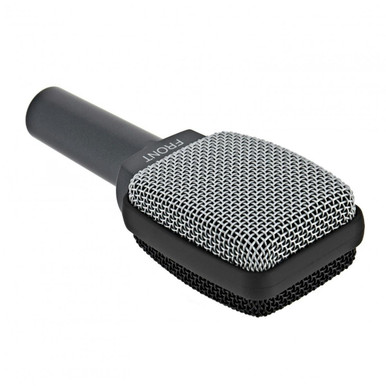
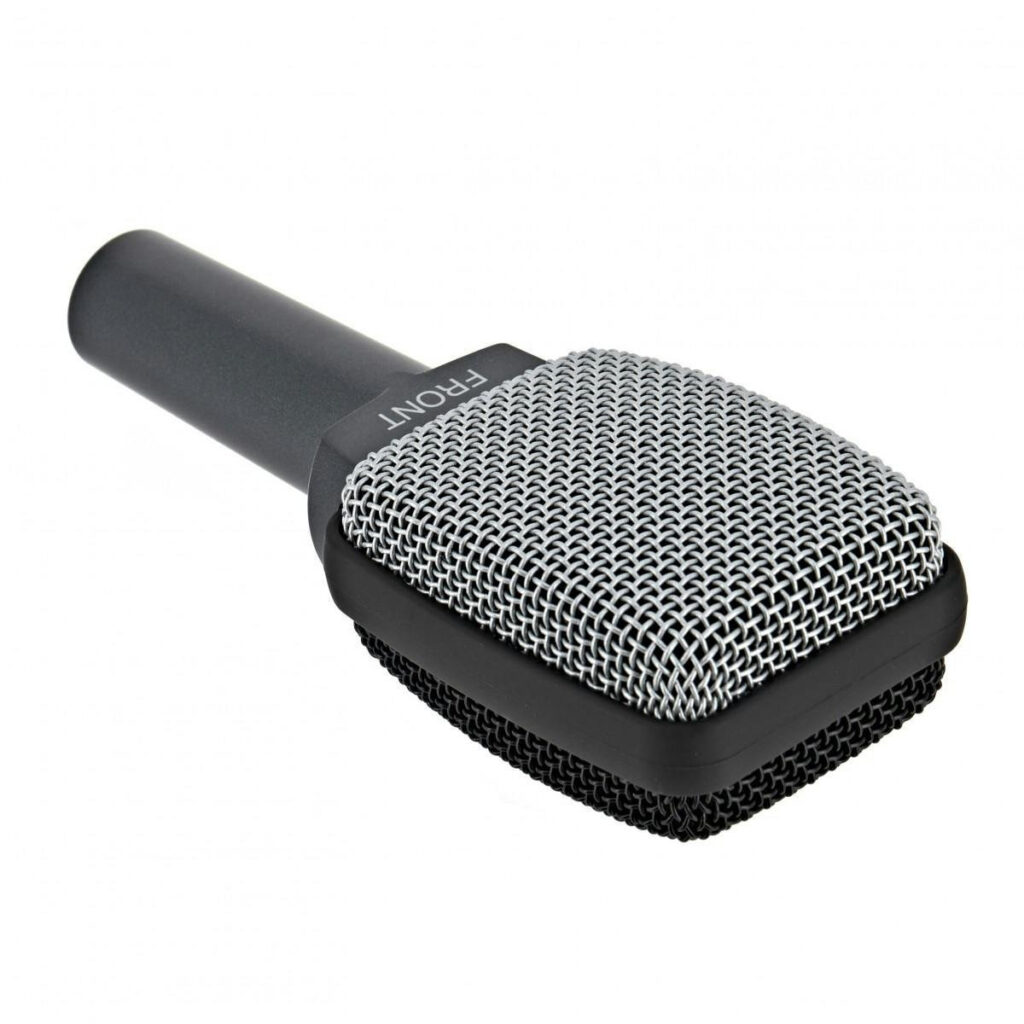
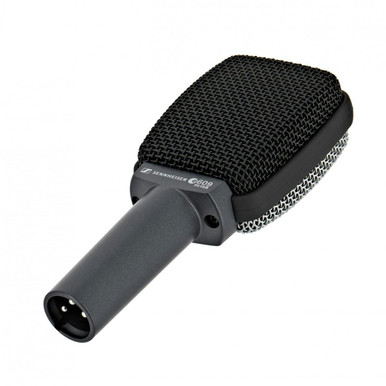
Sennheiser E609 Dynamic Mic in Silver for Guitar Amps & Brass
This is the Sennheiser E609 Dynamic Mic in Silver for Guitar Amps & Brass from Sennheiser, available now in Dynamic Microphones category on MicPro. For more details, images and how to order in the UK Read More below.
3. AKG C451 B: detail for acoustic instruments
The C451 B is a small-diaphragm condenser suited to acoustic guitar, strings, percussion, hi-hat and stereo applications. Small-diaphragm condensers are valued for their quick response and consistent detail, which helps preserve the attack and shape of acoustic notes.
On acoustic guitar, avoid pointing directly into the sound hole, where the result can become boomy. Start near the 12th fret, 20–30 centimetres away, then aim slightly towards the body for more weight or towards the neck for more string detail.
Best for: acoustic guitar, percussion, strings and musicians building towards a matched stereo pair.
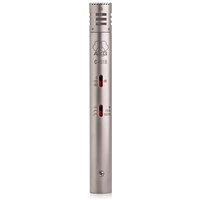
AKG C451 B Small-Diaphragm Condenser Microphone
This is the AKG C451 B Small-Diaphragm Condenser Microphone from AKG, available now in Condenser Microphones category on MicPro. For more details, images and how to order in the UK Read More below.
4. BeyerDynamic mic M 160: a smooth ribbon for bright sources
The M 160 is a hypercardioid double-ribbon microphone known for guitar amplifiers and string instruments. A ribbon can soften an aggressive top end without removing the body and texture of the source, which is useful for bright cabinets, brass and bowed strings.
It is a premium specialist rather than an obvious first microphone. Give it a stable stand, a capable preamp and sensible protection from blasts of air. Always check the manufacturer’s phantom-power guidance for the exact ribbon microphone and preamp arrangement being used.
Best for: bright guitar cabinets, brass and strings when a smoother, less brittle sound is wanted.
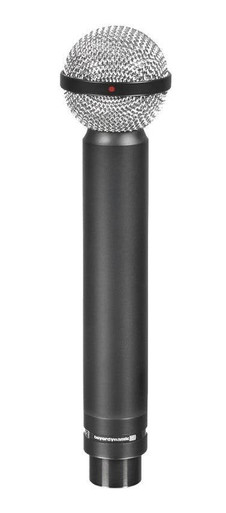
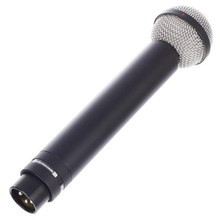

Beyerdynamic M160 Double Ribbon Dynamic Microphone
This is the Beyerdynamic M160 Double Ribbon Dynamic Microphone from Beyerdynamic, available now in Ribbon Microphones category on MicPro. Read More below.
5. AKG C414 XLS: one premium microphone for many jobs
The C414 XLS is a multi-pattern large-diaphragm condenser. Its selectable patterns, pads and filters allow it to cover piano, acoustic instruments, amplifiers, room recording, ensembles and vocals. A multi-pattern microphone is also useful for learning stereo techniques and controlling how much room enters the recording.
Its versatility does not remove the need for placement. On piano, for example, moving one microphone can change the balance between hammers, strings, body and room more than changing its frequency settings.
Best for: an established home or project studio that wants one adaptable premium condenser rather than several narrowly specialised microphones.
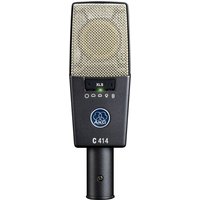
AKG C414 XLS Condenser Microphone
This is the AKG C414 XLS Condenser Microphone from AKG, available now in Condenser Microphones category on MicPro. For more details, images and how to order in the UK Read More below.
Before buying another microphone, move the one you have
Microphone placement is free equalisation. Close placement gives a direct sound and reduces the room. Moving away allows the instrument to combine acoustically before it reaches the microphone, but adds more room. Moving a directional microphone close can also increase bass through proximity effect.
Record short examples from three positions, label them and compare at the same listening level. This turns placement into evidence instead of guesswork.
A compact chooser
Loud amplifier or percussion: begin with a dynamic microphone.
Acoustic guitar or detailed percussion: try a small-diaphragm condenser.
Harsh brass, strings or guitar cabinet: consider a ribbon.
Piano, room or several different sources: use a large-diaphragm multi-pattern condenser.
Stereo acoustic recording: buy or build a properly matched pair and learn one technique at a time.