Brand
Sennheiser is a leading audio manufacturer known for high-quality microphones used in studio recording, broadcast, live sound, and film production. The brand has built a strong reputation for innovation, reliability, and precise sound reproduction.
Sennheiser microphones are widely used for vocals, instruments, and location recording, offering clarity and consistency across a wide range of applications. MicPro suggests Sennheiser microphones for users seeking professional performance, durability, and trusted audio engineering.
Category
Microphones are essential tools for capturing sound in recording, broadcast, and live performance. Different microphone types are designed for different sources, environments, and uses, from studio vocals and instruments to live sound and field recording. Choosing the right microphone depends on factors such as sound source, room acoustics, sensitivity, and the character you want to capture.
Tags
Cardioid is a directional microphone pickup pattern that captures sound primarily from the front while reducing sound from the sides and rear. It is widely used for vocals, podcasting, and live sound, helping to control background noise and reduce feedback in both studio and performance environments.
Dynamic microphones are robust, reliable microphones designed to handle high sound pressure levels and demanding environments. They are commonly used for live vocals, guitar amplifiers, drums, and broadcast, where durability and controlled sound are important. Dynamic microphones do not require phantom power and perform well in loud settings.
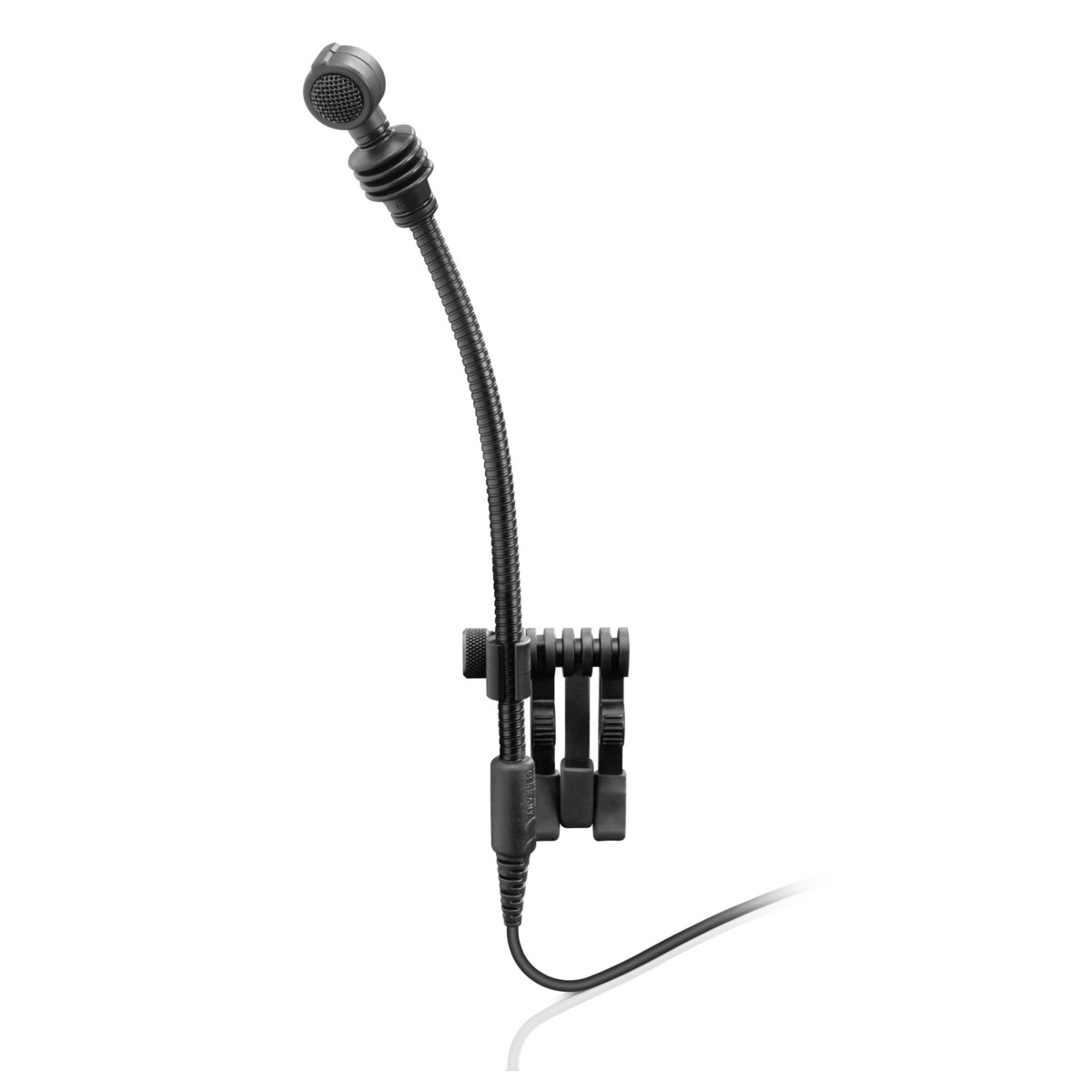
Instrument microphones are designed to capture the sound of musical instruments accurately and reliably. They are commonly used on guitar amplifiers, drums, brass, strings, and acoustic instruments, with designs suited to handling high sound levels while preserving clarity and detail.
Live microphones are built for performance environments where reliability, durability and feedback control are essential. They are designed to handle high sound-pressure levels, resist handling noise and deliver consistent sound on stage, whether for vocals, instruments or spoken word.
Typically using dynamic or rugged condenser designs, live mics focus on clear projection and controlled pickup patterns to minimise bleed from other instruments. They are a staple of gigs, rehearsals and touring setups, providing dependable sound quality in demanding, real-world conditions.
Supercardioid microphones use a tight directional pickup pattern that focuses strongly on sound from the front while rejecting much of the sound from the sides. They offer greater isolation than standard cardioid microphones, making them well suited to noisy environments.
Commonly used in live sound, broadcast and studio applications, supercardioid mics help reduce bleed from other instruments or speakers. Like hypercardioid microphones, they have a small rear pickup area, so careful placement is important to achieve the best clarity and control.