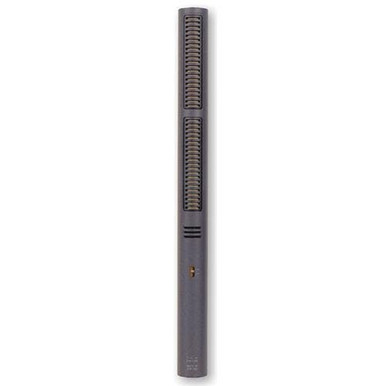
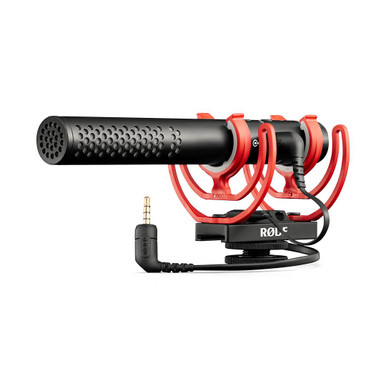
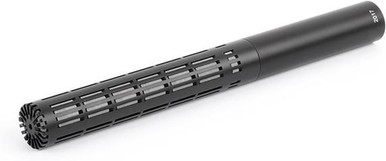
Rode NTG4+ Shotgun Microphone With Rechargeable Battery

£244.00

Also available on — Gear4music, Andertons, Reverb, Amazon, eBay

Rode NTG4+ Shotgun Microphone With Rechargeable Battery is by Rode. If you are searching for a condenser mic, you can order it using our UK delivery roadie service. Read More for product details and specifications from Rode .

Category:
Tags: , ,
Brands:

As an affiliate partner, we may earn a small commission when you buy through our links — at no extra cost to you.


Description

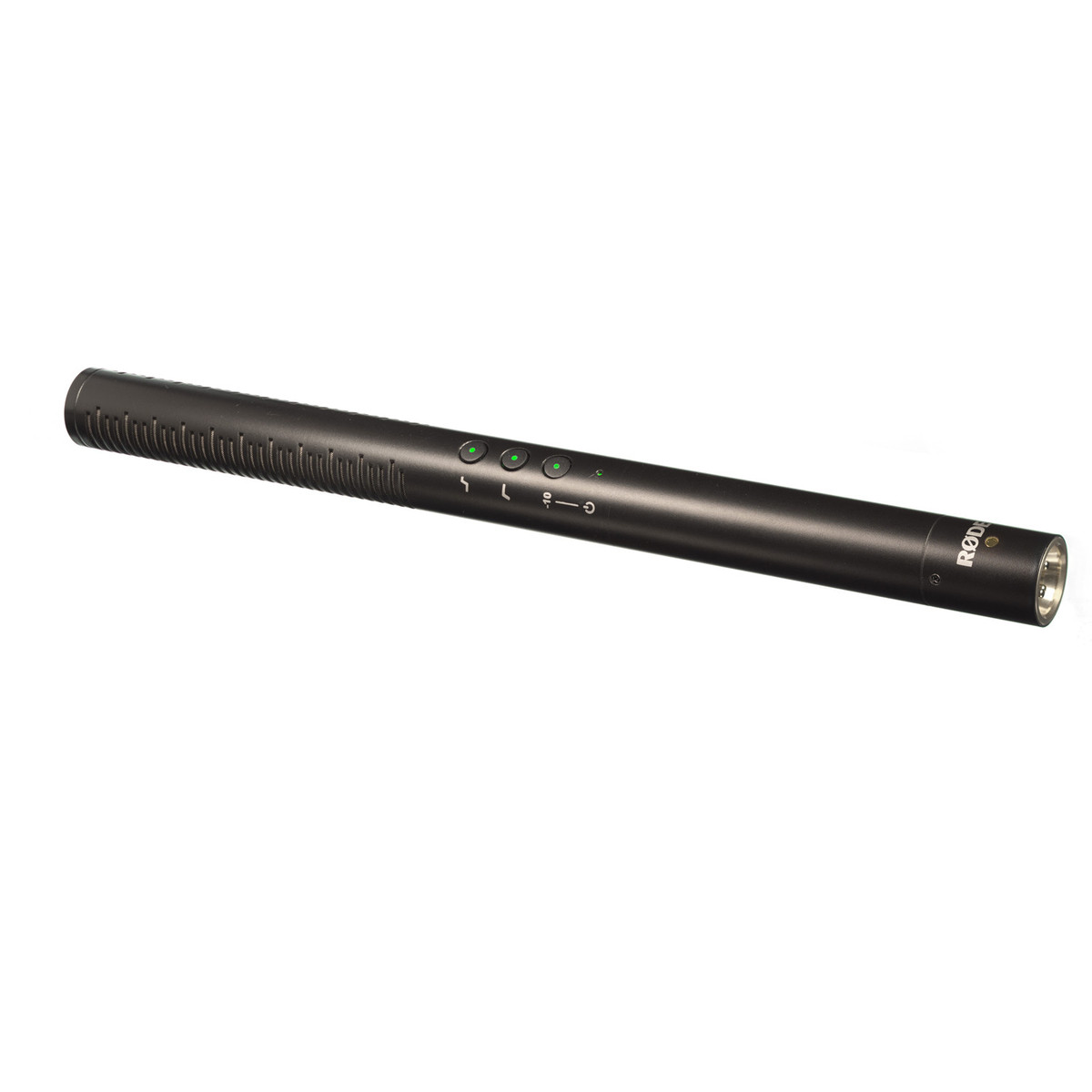
The Rode NTG4+ Shotgun Microphone With Rechargeable Battery is New and In stock, delivered to all areas of the UK using our roadie delivery service. The Rode NTG4+ Shotgun Microphone is the sibling to the NTG4 providing all the same features with the addition of a built-in rechargeable battery. The NTG4+ delivers broadcast-ready sound quality for your camera or audio recorder. Point and shoot with the directional design allowing you to catch the action with ease. The specialised condenser capsule captures every subtle detail when recording delivering pristine sound no matter where you are. Never miss the action thanks to the range of built-in controls. Available via digital switching you can enable the high-pass filter high-frequency boost or the pad at the touch of a button. These handy features allow you to adapt to any recording situation. For example when outdoors using the high-pass filter can remove unwanted background and/or wind noise.

Brand

Rode

RØDE is an Australian microphone manufacturer known for producing reliable, accessible microphones used in recording, broadcast, and content creation. The brand has become especially popular with podcasters, streamers, and home studios due to its focus on ease of use and consistent sound quality.

RØDE microphones are commonly used for vocals, voiceover, and video production, offering practical designs and good performance across a wide range of budgets. MicPro suggests RØDE microphones for users looking for straightforward, dependable recording solutions for modern setups.

Category

Microphones

Microphones are essential tools for capturing sound in recording, broadcast, and live performance. Different microphone types are designed for different sources, environments, and uses, from studio vocals and instruments to live sound and field recording. Choosing the right microphone depends on factors such as sound source, room acoustics, sensitivity, and the character you want to capture.

Tags

Broadcast

Broadcast microphones are designed for clear, controlled speech in radio, podcasting and voice-over environments. They are built to reject background noise, handle close-up use without distortion, and keep the voice consistent even when the speaker moves slightly off-axis. This makes them ideal for studios, streaming desks and spoken-word production where clarity and intelligibility matter most.

Typically dynamic or large-diaphragm condenser designs, broadcast mics focus on smooth midrange presence, reduced sibilance and strong plosive control. They are a staple in radio stations, home podcast studios and content-creation setups where a professional, “finished” vocal sound is required straight from the microphone.

Condenser

Condenser microphones are highly sensitive microphones designed to capture detail, clarity, and nuance. They are widely used in studio recording for vocals, acoustic instruments, piano, and ambient sound. Condenser microphones typically require phantom power and are available in large and small diaphragm designs, making them versatile tools for accurate sound capture.

Shotgun

Shotgun microphones are highly directional microphones designed to capture sound from a specific source while rejecting noise from the sides and rear. They are commonly used in film, television, broadcast, and location recording where isolating dialogue or a sound source is essential, even in noisy environments.

Using an interference tube design, shotgun mics deliver a tight pickup pattern with strong focus and clarity over distance. This makes them ideal for boom operation, on-camera use, and outdoor recording, where placing a microphone close to the subject is not always possible while still maintaining clear, natural audio.