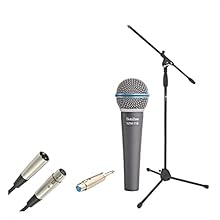
Brand
SubZero is a brand focused on making audio recording accessible without compromising on functionality. Known for offering affordable microphones, interfaces, and studio gear, SubZero provides practical solutions for beginners, home studios, and content creators who want reliable equipment without a high price tag.
What makes SubZero worth exploring is its straightforward approach — simple, usable gear that gets the job done. Whether you’re starting a podcast, recording vocals, or building your first setup, SubZero offers an easy entry point into the world of audio recording with solid performance and great value.
Category
Microphones are essential tools for capturing sound in recording, broadcast, and live performance. Different microphone types are designed for different sources, environments, and uses, from studio vocals and instruments to live sound and field recording. Choosing the right microphone depends on factors such as sound source, room acoustics, sensitivity, and the character you want to capture.
Tags
Cardioid is a directional microphone pickup pattern that captures sound primarily from the front while reducing sound from the sides and rear. It is widely used for vocals, podcasting, and live sound, helping to control background noise and reduce feedback in both studio and performance environments.
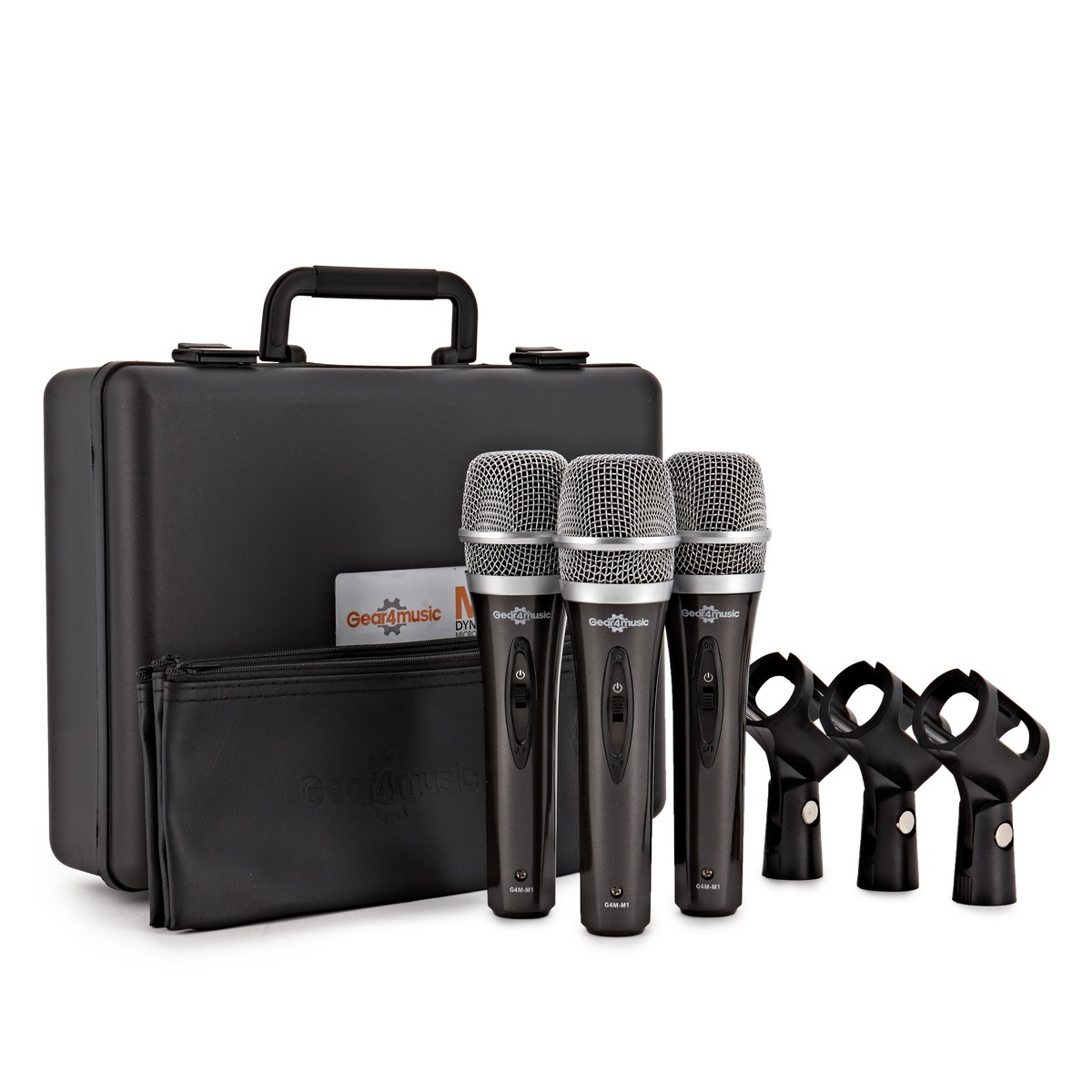
Dynamic microphones are robust, reliable microphones designed to handle high sound pressure levels and demanding environments. They are commonly used for live vocals, guitar amplifiers, drums, and broadcast, where durability and controlled sound are important. Dynamic microphones do not require phantom power and perform well in loud settings.
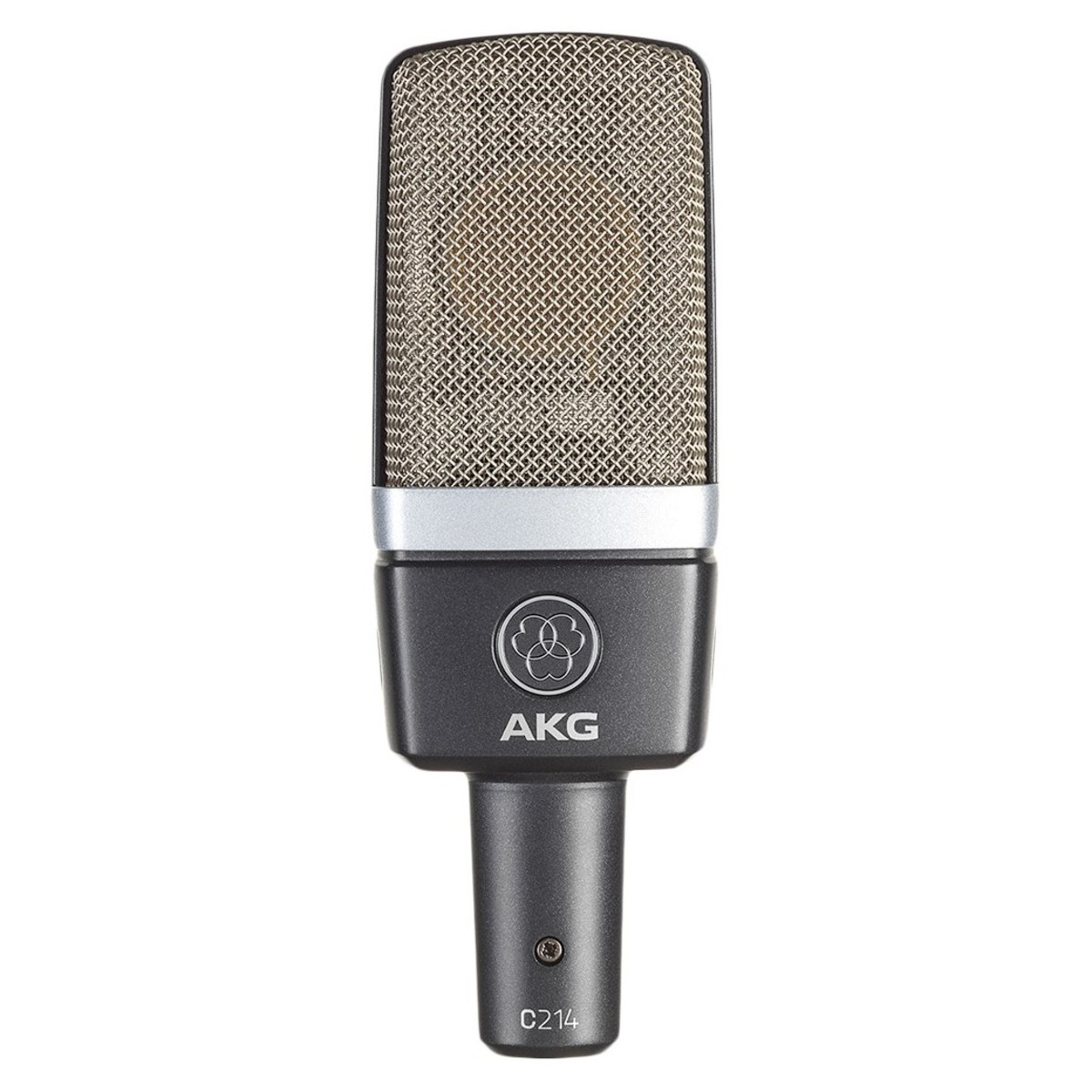
Studio microphones are designed for high-quality recording where detail, accuracy and tonal balance are essential. They are used in professional and home studios to capture vocals and instruments with clarity, depth and a wide frequency response.
Commonly condenser or ribbon designs, studio mics are valued for their sensitivity and ability to pick up subtle nuances. They are ideal for vocals, acoustic instruments, drum overheads and detailed sound sources, making them a core part of any recording setup where sound quality is the priority.
Vocal microphones are designed specifically to capture the human voice with clarity, presence and control. They focus on the key midrange frequencies that help vocals cut through a mix, whether in live performance, studio recording or broadcast use.
Available in dynamic and condenser designs, vocal mics are built to manage plosives, sibilance and feedback while maintaining a natural, expressive sound. They are a core choice for singers, presenters and spoken-word performers across live, studio and streaming environments.
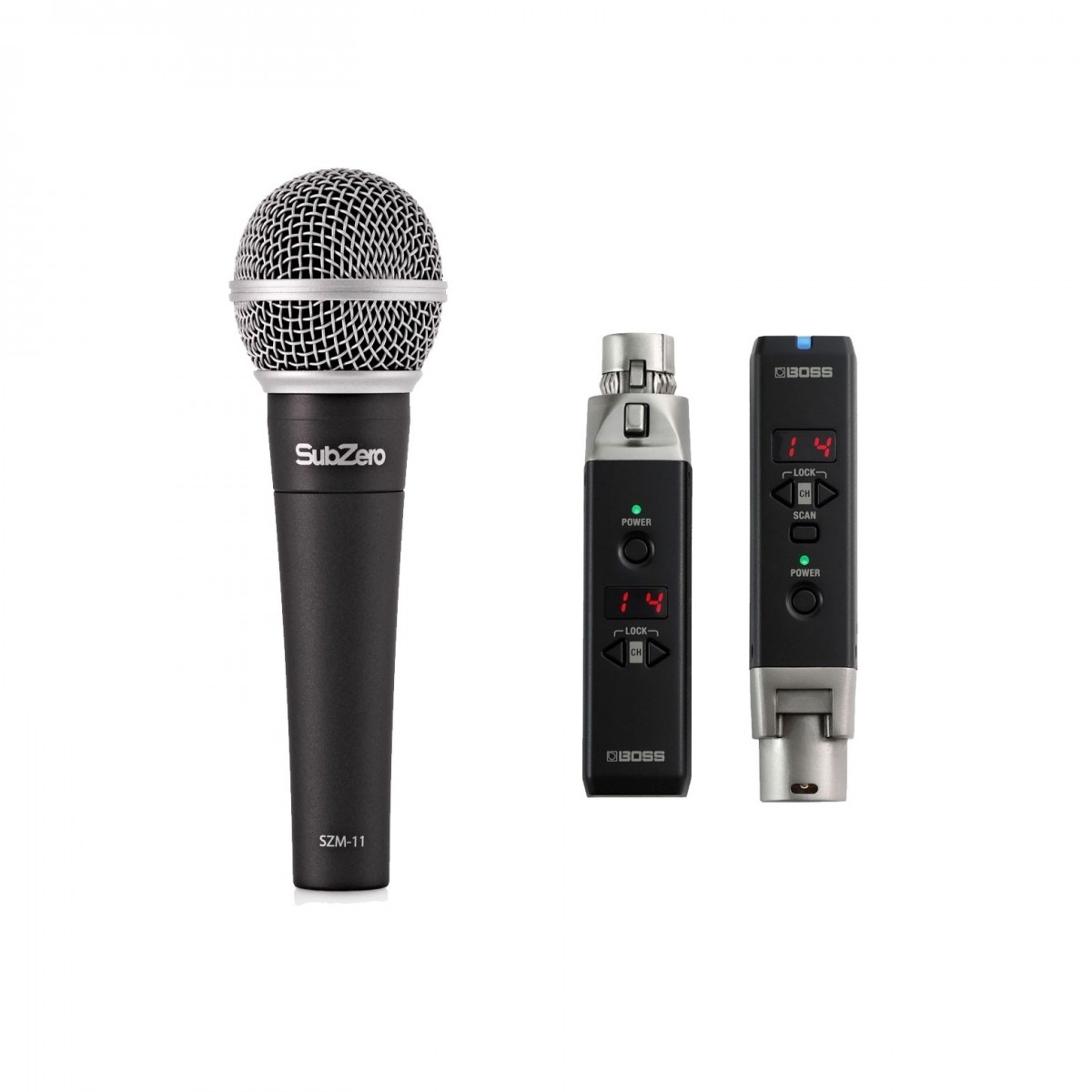
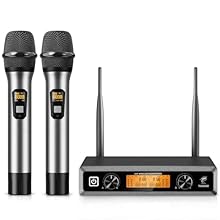
Wireless microphones use radio transmission to send audio from the microphone to a receiver without a physical cable. They are widely used in live performance, broadcast, theatre, and presentations, allowing freedom of movement while maintaining clear and reliable sound.